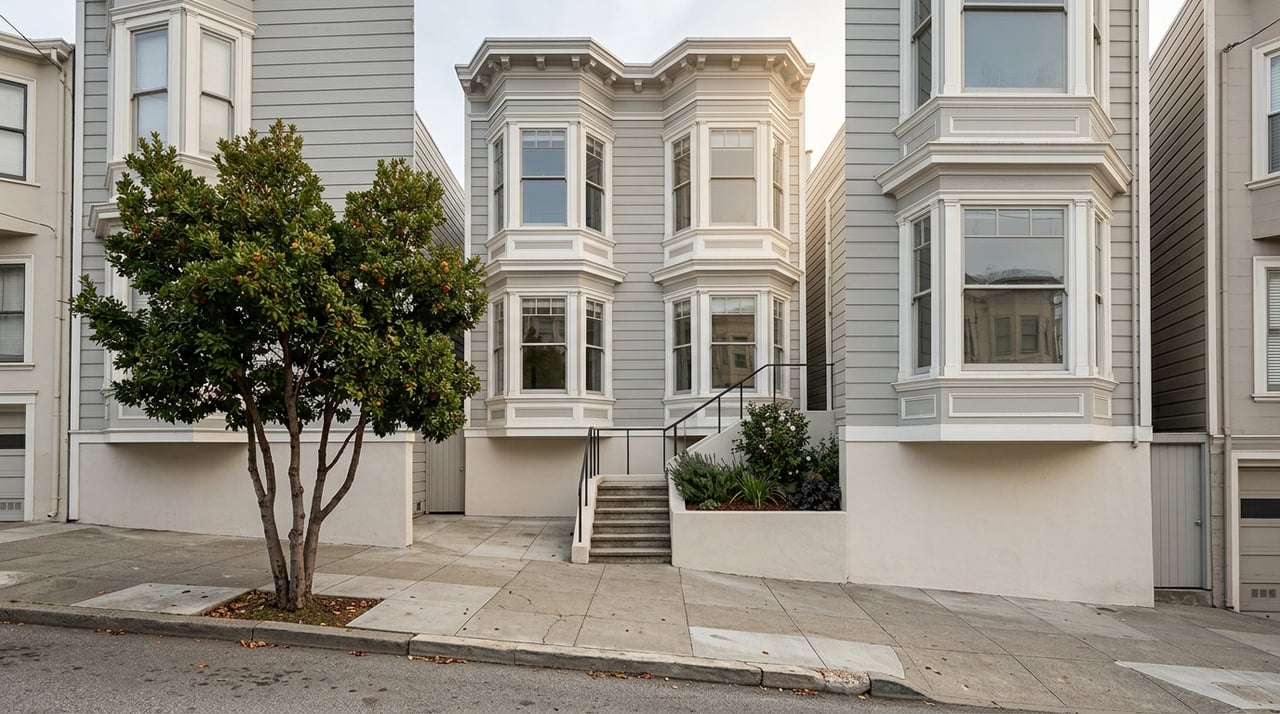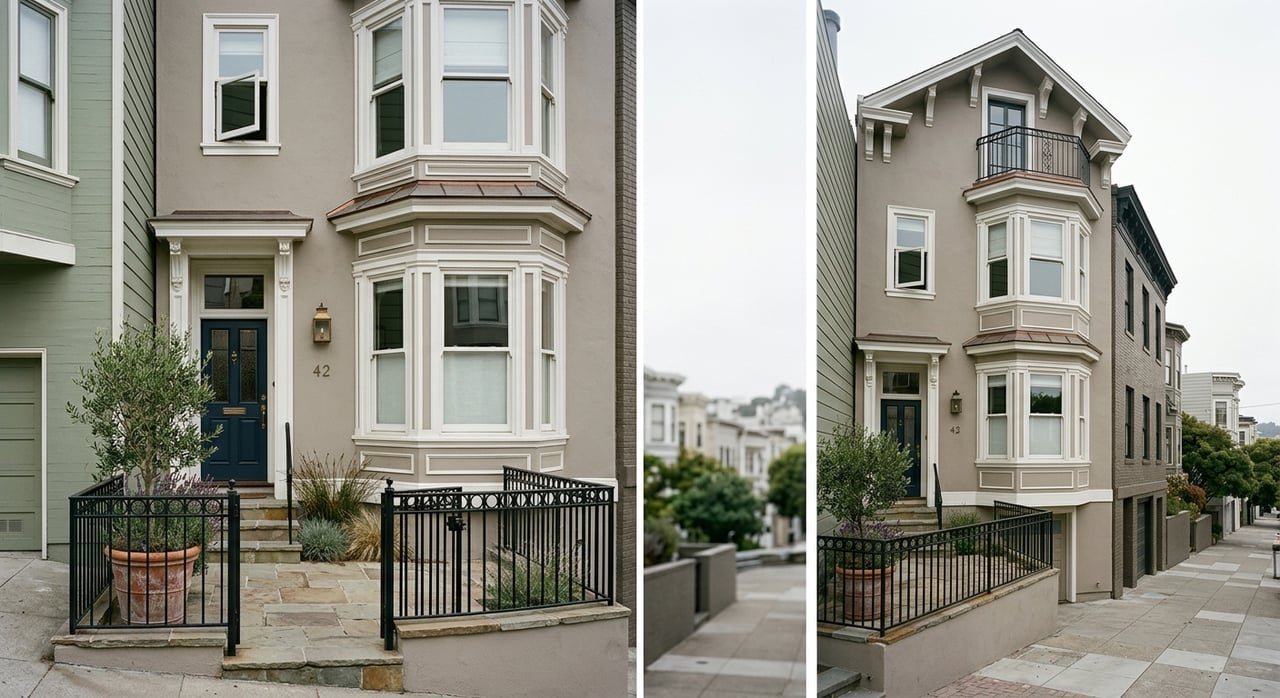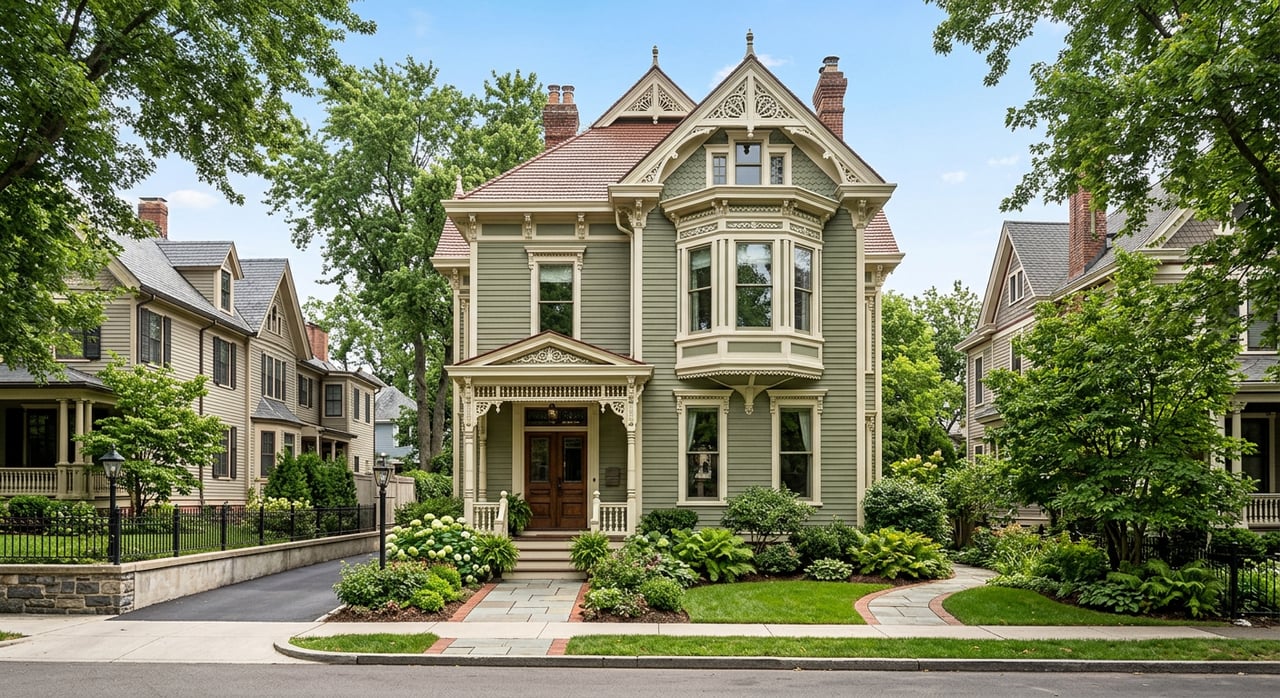
Trying to make sense of Richmond District prices right now? If you are weighing a single-family house against a condo, you are not alone. The gap can feel big, and the competition shifts by property type. In this snapshot, you will see where medians stand, how fast homes are moving, and what costs and risks to compare so you can act with confidence. Let’s dive in.
Richmond snapshot: prices and pace
Recent neighborhood data points to a split market as of February 2026. Inner Richmond’s median sale price sits around $1.8M with median days on market in the mid-teens and frequent sale-to-list ratios over 100 percent, a sign of steady demand for well-priced listings. Outer Richmond is trending higher, with a median near $2.15M, slightly longer market times, and strong sale-to-list performance. Larger lots and proximity to Ocean Beach often support the higher Outer Richmond median.
For city context, the countywide median sale price for 2025 was roughly $1.39M, with single-family homes rising faster than condos for the year. Single-family increased about 4.6 percent year over year while condo/TIC/coop increased about 1.3 percent, according to the SF Association of REALTORS annual report. District 1, which includes the Richmond, showed very tight supply with months of inventory around 0.4 to 0.5 in that report. Tight supply helps explain why well-presented houses can still draw multiple offers.
What this means for you
- If you are hunting a move-in-ready single-family home, expect faster timelines and selective bidding for standout listings.
- Condos are more building dependent. Prime locations and well-run HOAs sell faster, while others take longer.
- Inner vs Outer Richmond behave differently. Inner Richmond benefits from proximity to commercial corridors and transit. Outer Richmond’s lot sizes and coastal access help support pricing.
Houses vs condos: how they differ
Price bands and product mix
- Single-family houses: In the Richmond, recent closings often run from the mid–$1M range to well into the multi-million tier, especially for ocean or park outlooks and larger parcels. Outer Richmond skews higher where lot size and views are in play.
- Condos: Richmond condos, typically in low-rise or converted flat buildings, usually price below detached houses. Many fall in the high six-figure to low seven-figure range depending on size, parking, and building condition. Downtown-style high-rise dynamics are less relevant here.
- Why the gap: Land and private outdoor space carry a premium in San Francisco. Recent city data shows single-family prices have been appreciating faster than condos, which fits what buyers are paying for fee-simple control and yards.
Carrying costs to compare
When you compare a house to a condo, look past list price to total monthly cost.
- Taxes: Estimate 1/12 of your annual property tax using the purchase price and local rates. The San Francisco Assessor-Recorder Prop 13 fact sheet explains how base-year assessments and supplemental bills work.
- Insurance: Single-family owners carry a homeowners policy and often add earthquake coverage. Condo owners carry HO-6 coverage and may add loss-assessment and earthquake. Earthquake premiums vary widely by coverage and building. The Forbes earthquake insurance guide is a helpful primer.
- HOA dues (condos): Monthly dues often fund exterior maintenance, reserves, master insurance, and occasionally a master earthquake policy. There is no single “Richmond average,” and dues can run from a few hundred dollars to well over $1,000 per month depending on amenities and building scale. See this HOA dues overview for what dues typically cover.
- Maintenance (houses): Without HOA dues, you take on roof, exterior, systems, landscaping, and seismic needs. Budget a multi-thousand-dollar annual reserve for ongoing care and unexpected repairs.
Building and site risks
- Seismic and structure: Many older wood-frame multi-unit buildings fall under the city’s mandatory soft-story retrofit program. If you are considering a condo in an older building, verify status through the S.F. DBI Soft-Story Program. Single-family homes have different retrofit considerations that are owner driven.
- Earthquake insurance: Coverage is optional but common and can be several hundred to a few thousand dollars annually depending on limits and deductibles. Use policy summaries and calculators as a starting point, then price specific quotes.
- Coastal exposure: Properties closer to Ocean Beach may see more wind and salt exposure. Climate risk tools and FEMA flood maps can help you understand parcel-level considerations.
How to use this snapshot when you buy or sell
1) Run a full monthly comparison
Build a side-by-side for your top house and condo options. Include mortgage principal and interest at a realistic rate, 1/12 of taxes using the Assessor-Recorder guidance, homeowners or HO-6 insurance, earthquake coverage, HOA dues if applicable, and a maintenance reserve for houses. This often narrows the perceived gap.
2) For condos, review the HOA packet early
Ask your agent to obtain the budget, banked reserves, reserve study, meeting minutes, insurance summary, rental rules, and litigation disclosures before you write. A healthy reserve and clear capital plan reduce the chance of surprise assessments. Use this HOA dues and documents primer as a checklist.
3) For houses, plan near-term upkeep
Request a three-year maintenance and systems history. Pay close attention to drainage, roof age, foundation notes, sewer lateral work, and exterior paint cycles. For older homes, a structural or engineering consult can help scope likely retrofit work.
4) Verify building and parcel status
Check the city’s soft-story database for multi-unit retrofit status and use public records to review tax history and permits. Start with the DBI Soft-Story portal, then confirm details with your agent and inspector.
5) Read medians by subarea and date
Inner and Outer Richmond move at different speeds. When you see a median online, check if it is a sold median, note the month and year, and watch out for small sample sizes. For rolling averages and broader trends, use the SF Association of REALTORS annual report as context.
Local orientation and feel
The Richmond District spans from Golden Gate Park to the Presidio and out to Ocean Beach, with Inner Richmond closer to busy corridors and Outer Richmond nearer the coast. For a quick orientation and neighborhood boundaries, the Richmond District overview is a helpful reference. When you compare options, think about your daily rhythm, commute needs, and how you use nearby parks and commercial streets.
Who tends to pick each option
- Single-family buyers often prioritize private outdoor space, more bedrooms, garages or storage, and the control of fee-simple ownership. Many plan for longer holds and value the ability to renovate on their schedule.
- Condo buyers typically want lower day-to-day maintenance, proximity to amenities, and a more accessible price point. First-time buyers and downsizers often find condos the most practical entry to neighborhood living.
Smart pricing and offer strategy
- Selling a house: Presentation matters in a low-supply market. Clean exterior lines, fresh paint, tuned landscaping, and good natural light help listings pop in photos and in person. Thoughtful pricing aligned to recent sold comps can attract broader interest in week one.
- Buying a house: Expect selective competition. Come prepared with a clear ceiling, proof of funds, lender strength, and a realistic closing timeline. Consider pre-inspections where appropriate so you can move quickly if the property fits.
- Selling a condo: Buyers will scrutinize HOA health and reserves. Bring a clean, complete disclosure packet and highlight recent capital work, parking, storage, and any seismic or exterior upgrades.
- Buying a condo: Focus on building condition, reserves, and insurance scope. A well-run HOA and strong maintenance plan can support value over time and reduce assessment risk.
If you want a second set of eyes on a specific block, building, or set of comps, reach out. With local expertise and a design-forward approach to presentation, Sasha Mazur can help you compare options and plan the right move in today’s Richmond market.
FAQs
What are current Richmond medians in 2026?
- Inner Richmond is around $1.8M and Outer Richmond about $2.15M as of February 2026, with houses generally out-pricing condos due to lot value and outdoor space.
Are Richmond houses selling over list price?
- Many well-priced listings have recent sale-to-list ratios above 100 percent and move in the mid-teens for days on market, reflecting tight supply.
How do condo HOA dues affect affordability?
- Dues can range from a few hundred dollars to well over $1,000 monthly depending on the building and amenities, and should be included in your total monthly cost comparison.
What should I review before buying a Richmond condo?
- Ask for the HOA budget, reserves, minutes, insurance summary, rental rules, reserve study, and any litigation or special assessments to gauge risk and future costs.
How do property taxes work after I buy?
- Your assessed value resets to the purchase price under Prop 13, and you may receive a supplemental bill; the Assessor-Recorder’s guidance explains the timing and math.
Should I get earthquake insurance in the Richmond?
- Many owners do; costs vary by coverage and building type, so compare quotes for homeowners or HO-6 policies plus optional earthquake and loss-assessment coverage.
How do Inner and Outer Richmond differ for buyers?
- Inner Richmond offers closer access to transit and commercial corridors, while Outer Richmond skews toward larger lots and coastal access, which can influence pricing and pace.