Wondering why some Pacific Heights condos feel instantly memorable while others blend into the crowd? In a neighborhood known for architectural character, refined details, and view-driven appeal, presentation can shape how buyers respond from the first photo to the final disclosure review. If you are getting ready to sell, a smart prep plan can help your condo show at its best, reduce avoidable surprises, and support a stronger launch. Let’s dive in.
Why presentation matters in Pacific Heights
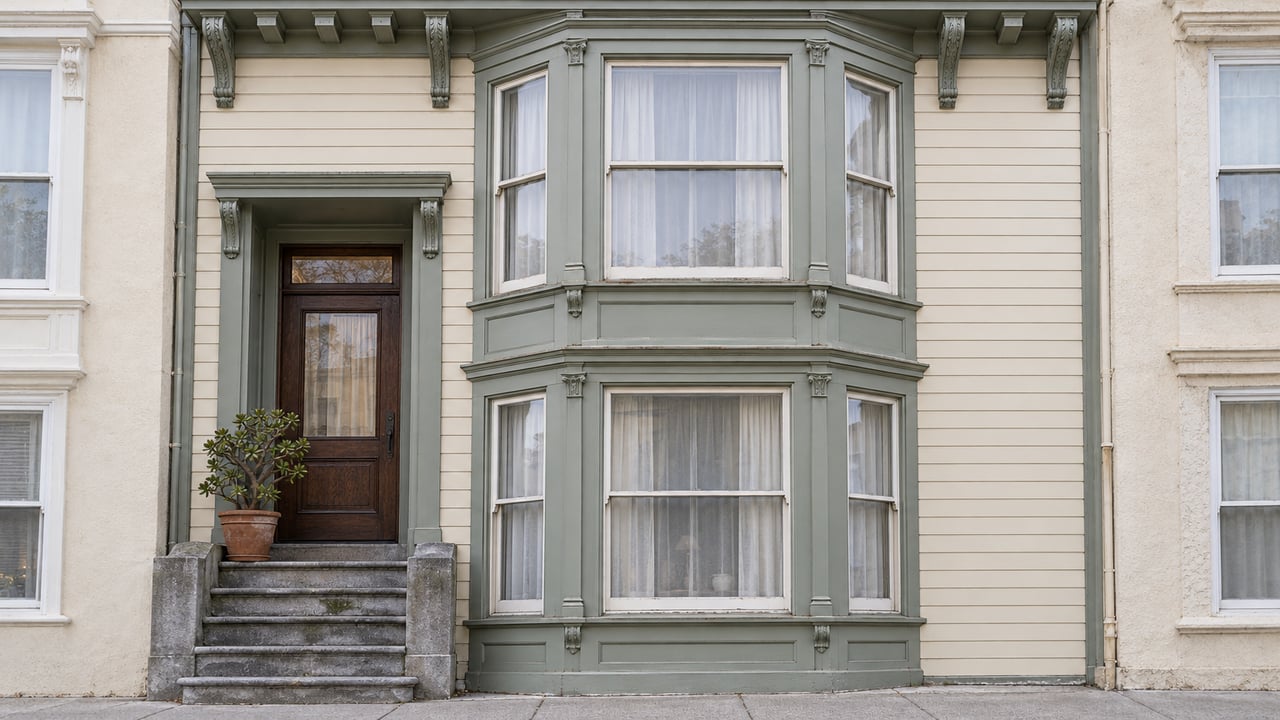
Pacific Heights stands out for its visual character. San Francisco’s General Plan describes the area in terms of Bay views, landscaped streets, setbacks, stairways, fence details, and homes with rich materials and notable architecture. That means buyers often notice not just square footage, but also light, proportions, finishes, and whether a condo still lets the building’s original character come through.
That backdrop matters even in a favorable market. Realtor.com’s February 2026 neighborhood overview showed a median listing price of $1.925 million, a median 41 days on market, and seller’s market conditions in Pacific Heights. In other words, demand may be strong, but polished listings still have to compete with other well-located, high-end options.
Start with the right prep sequence
A standout sale usually begins with a disciplined order of operations. If you jump into photos too soon or leave paperwork for later, you can lose momentum right when buyer interest is highest. A cleaner path is to prepare the home, resolve obvious issues, gather documents, then launch with confidence.
Declutter, clean, and depersonalize
The most commonly recommended pre-listing steps are practical ones. According to the National Association of Realtors’ 2023 staging report, buyers’ agents most often recommend decluttering, whole-home cleaning, removing pets during showings, professional photos, minor repairs, and painting before listing.
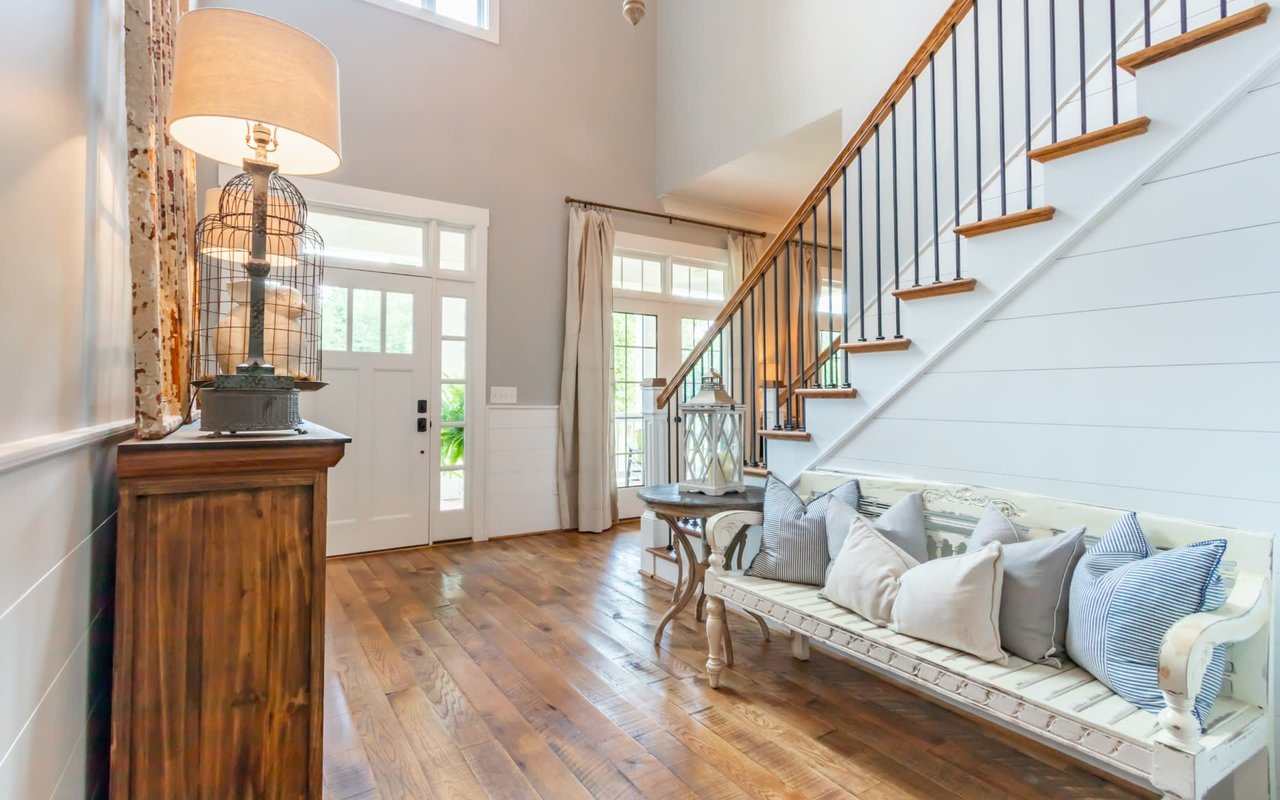
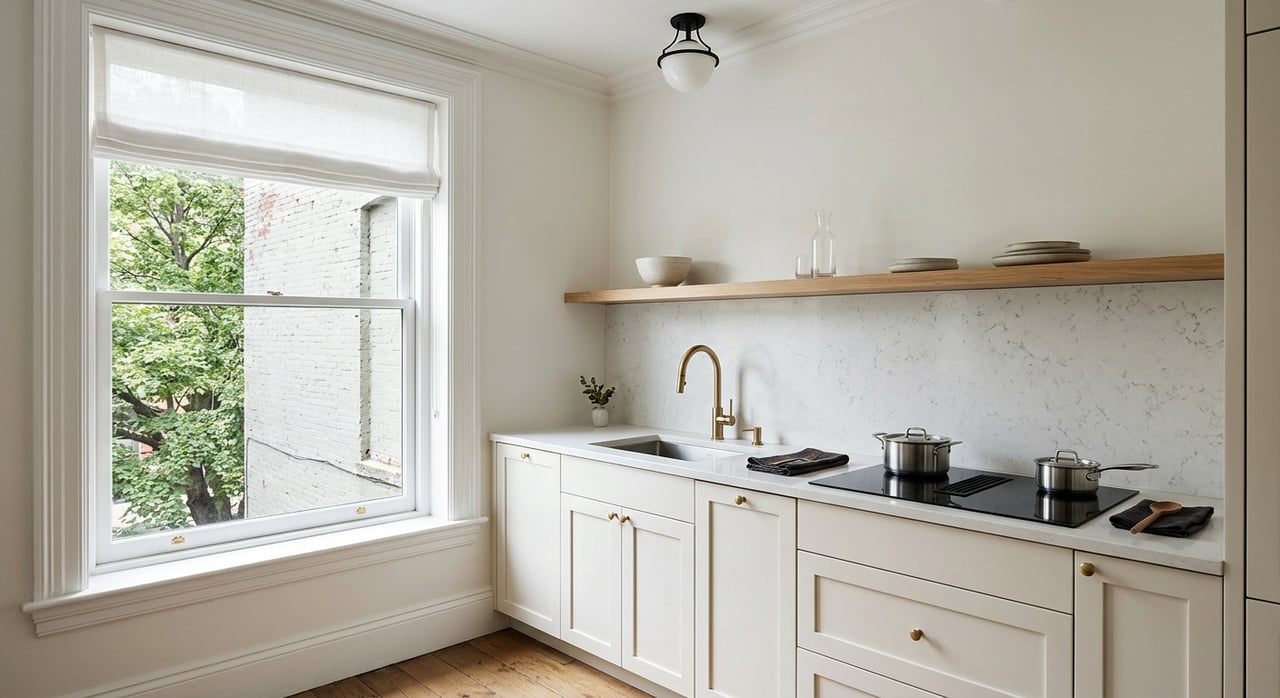
For a Pacific Heights condo, the goal is simple. You want the space to feel brighter, calmer, and easier to read so buyers focus on the best features of the home. That often means clearer surfaces, lighter visual styling, and less personal décor competing with windows, ceiling height, architectural details, or view lines.
Focus on the rooms buyers notice most
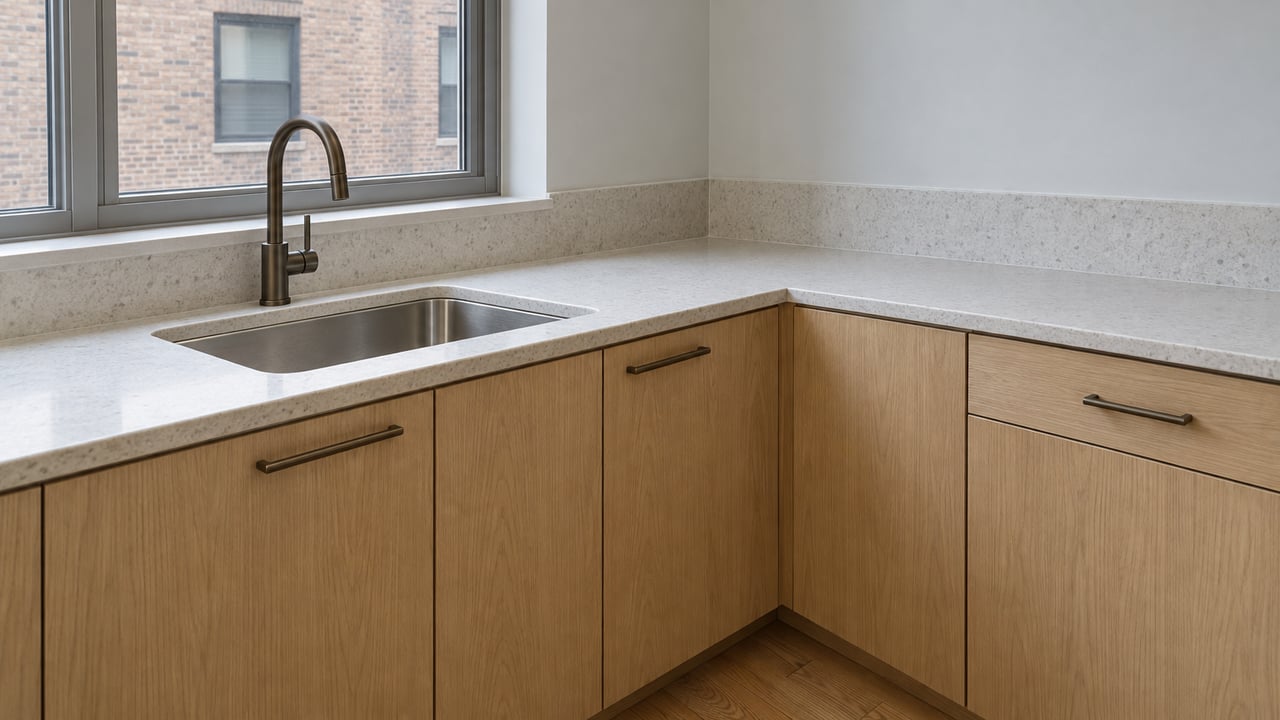
Not every room carries the same weight. NAR found that the living room, primary bedroom, and kitchen are the most important rooms to stage. Those are often the spaces where buyers decide whether the home feels comfortable, functional, and worth a closer look.
In a condo, these rooms also do a lot of visual work in a small footprint. Clean furniture layouts, open circulation paths, and restrained styling can help the unit feel larger and more cohesive. The less crowded the home feels, the easier it is for buyers to picture themselves living there.
Stage before photography
Photos are not an afterthought. NAR reports that listing photos are the most useful feature in online home search for 81% of buyers, and it specifically notes that staging should happen before the home is photographed.
That means your photo day should come after the home is cleaned, edited, repaired, and styled. If you wait to fine-tune presentation until after photos are taken, you risk launching with marketing that does not reflect the condo’s full potential. In Pacific Heights, where buyers often compare multiple polished listings, that first impression matters.
Choose updates with care
If you are asking whether you need a remodel before selling, the evidence points in a more measured direction. The strongest pre-listing recommendations are cosmetic and maintenance-focused, not major renovation projects.
Prioritize high-impact cosmetic fixes
Painting and minor repairs are among the most commonly recommended seller prep tasks in NAR’s staging report. These updates can make a home feel fresher and more current without the cost, disruption, or risk of over-improving for the market.
Think in terms of visible distractions. Scuffed walls, worn trim, sticking doors, dated hardware, or deferred maintenance can pull attention away from what buyers should be noticing. Clean cosmetic improvements often deliver more value than ambitious projects that may not align with buyer taste.
Check rules before exterior work
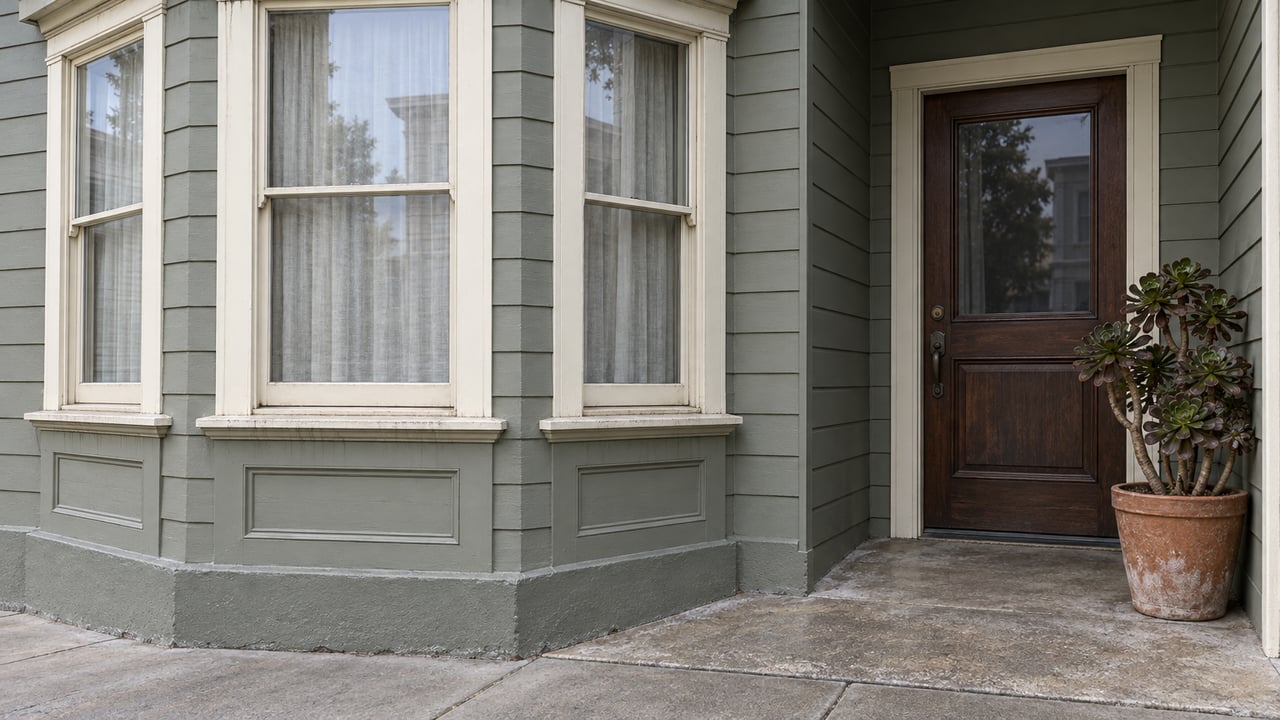
In Pacific Heights, some sellers are tempted to freshen up street-facing details before listing. That can be sensible, but San Francisco says you should check the property’s historic resource status before filing permits for exterior work, and the city notes that street-visible changes are reviewed to protect historic resources.
This is especially relevant in older buildings. A change that seems small, such as an exterior detail or visible repair, may involve more review than expected. Before starting any work that affects the building exterior, confirm what is allowed and whether permits or historic review may apply.
Confirm permits and records early
San Francisco’s construction-prep guidance advises owners to check permits, complaints or notices of violation, environmental information, historic status, and earthquake-safety rules before applying for a building permit. For sellers, the lesson is practical: do not assume prior work is fully documented or that new work can start without review.
If your condo has had updates over time, it is worth confirming the paper trail early. Buyer due diligence often uncovers permit history, and it is far better to explain or resolve questions before the listing goes live than during escrow.
Treat HOA documents as part of presentation
A condo sale is never just about the unit itself. Buyers are also evaluating the building, the association, and the quality of ongoing management. In Pacific Heights, where expectations are often high, strong documentation can reinforce the polished impression created by staging and marketing.
Gather the resale packet early
California Civil Code section 4525 requires sellers of condominiums and other common-interest properties to provide a substantial set of association materials before transfer or contract execution. These documents include governing documents, current assessments and fees, unpaid assessments or fines, unresolved violation notices, rental restrictions if any, requested board minutes from the prior 12 months, and the most recent Section 5551 inspection report.
The practical takeaway is that condo buyers expect more than beautiful photos and a clean unit. They want a clear picture of the association’s rules, finances, maintenance, and any unresolved issues. Gathering this material early helps you avoid delays and gives buyers more confidence when they review the listing package.
Review reserves and budget health
The California Department of Real Estate notes that reserve studies help buyers understand an association’s financial strength, long-term maintenance planning, and market value. DRE also notes that HOA budgets include reserve-related information such as reserve balances, the remaining life of major components, and replacement costs.
For your sale, this means HOA health is part of the story. A well-maintained building with clear planning can support buyer confidence, while weak reserves or major upcoming costs may lead to tougher questions. Even when the unit shows beautifully, the association documents still play a major role in how secure a buyer feels.
Use inspections and disclosures to reduce surprises
One of the best ways to protect a strong listing launch is to address uncertainty before buyers do. When there are known concerns, suspected defects, or unclear records, pre-market diligence can make the transaction smoother.
Consider pre-listing inspections when needed
California’s seller disclosure framework requires the Transfer Disclosure Statement to be delivered before closing. DRE notes that a report prepared by a licensed engineer, geologist, pest-control operator, contractor, or similar expert may limit liability when that report is delivered with the required disclosures.
That is why pre-market inspections can be worthwhile when there is any doubt about condition or prior work. If an issue exists, finding it early gives you more control over pricing, repairs, and disclosure strategy. It can also reduce the chance of renegotiation after the property is already in contract.
Check hazard-zone disclosures carefully
The California Geological Survey’s EQ Zapp is the official tool for checking whether a property is in an earthquake hazard zone. The state says earthquake fault-zone and seismic-hazard-zone locations must be disclosed when applicable.
For a San Francisco condo, this is part of serious prep. Even if the result simply confirms that the property is not in a mapped zone, the review still helps ensure your disclosures are complete and accurate.
Review permit and violation history
If there were prior renovations and the paperwork is incomplete, San Francisco’s property-condition guidance says owners can check the Permit/Complaint Tracking System for notices of violation and the Property Information Map for zoning information. This step can be especially useful in older buildings where improvements may have happened over many years.
The goal is not to create extra work. It is to prevent last-minute surprises. If a buyer uncovers an old notice, unpermitted work, or zoning question during due diligence, the issue can become more disruptive than it would have been if addressed upfront.
A smart Pacific Heights prep checklist
If you want a simple way to think about the process, focus on these priorities:
- Declutter and depersonalize every room
- Deep clean the entire condo before staging
- Make minor repairs and consider fresh paint where needed
- Stage the living room, primary bedroom, and kitchen first
- Complete staging before photography
- Avoid major updates unless there is a clear payoff
- Check historic status before exterior or street-visible work
- Review permit records, complaints, and notices early
- Order the HOA resale package well before listing
- Review reserves, assessments, and building documents carefully
- Consider pre-listing inspections if condition is uncertain
- Confirm earthquake hazard disclosures using the state tool
Final thoughts on a standout sale
In Pacific Heights, a standout condo sale is usually not about doing everything. It is about doing the right things in the right order. Strong presentation, thoughtful cosmetic prep, and organized condo documentation can help buyers focus on the home’s best features while reducing friction behind the scenes.
That approach fits this neighborhood well. Buyers here often respond to character, light, views, and finish quality, but they also expect clarity around the building and the association. When the home looks polished and the paperwork is ready, your sale is in a much stronger position from day one.
If you are thinking about selling and want a design-aware, neighborhood-specific prep strategy for your Pacific Heights condo, Sasha Mazur can help you create a listing plan that is polished, practical, and tailored to your building.
FAQs
What should I do first when preparing a Pacific Heights condo for sale?
- Start with decluttering, deep cleaning, and depersonalizing so the condo feels brighter, more spacious, and easier for buyers to picture as their future home.
Do I need to remodel my Pacific Heights condo before listing?
- Usually no. The strongest pre-listing recommendations support minor repairs, painting, staging, cleaning, and professional photography rather than a full remodel.
Why does staging matter for a Pacific Heights condo listing?
- Staging can help buyers visualize the home more easily, and the living room, primary bedroom, and kitchen are especially important areas to present well.
When should photos be taken for a Pacific Heights condo sale?
- Photos should be taken after decluttering, repairs, cleaning, and staging are complete so the online presentation reflects the condo at its best.
What HOA documents matter in a California condo sale?
- Key materials include governing documents, assessments and fees, unpaid amounts, unresolved violation notices, rental restrictions if any, requested board minutes, and the most recent Section 5551 inspection report.
Why do reserve studies matter when selling a Pacific Heights condo?
- Reserve studies help buyers understand the association’s financial planning, reserve balances, major component life spans, and expected replacement costs.
Should I check permits before listing a Pacific Heights condo?
- Yes. Reviewing permit history, complaints, or notices of violation early can help you resolve issues or explain them before buyer due diligence begins.
Do earthquake hazard disclosures apply to a San Francisco condo sale?
- They may. California says earthquake fault-zone and seismic-hazard-zone locations must be disclosed when applicable, so checking the property through the official state tool is an important prep step.