Wondering how to make a smart move with a Noe Valley multi-unit property? You are not alone. In this part of San Francisco, 2 to 4 unit buildings are a major part of the housing stock, which means buying or selling one takes more than a quick look at square footage or finishes. If you understand legal status, vacancy, permits, and building condition before you act, you can make better decisions with fewer surprises. Let’s dive in.
Why Noe Valley Multi-Units Stand Out
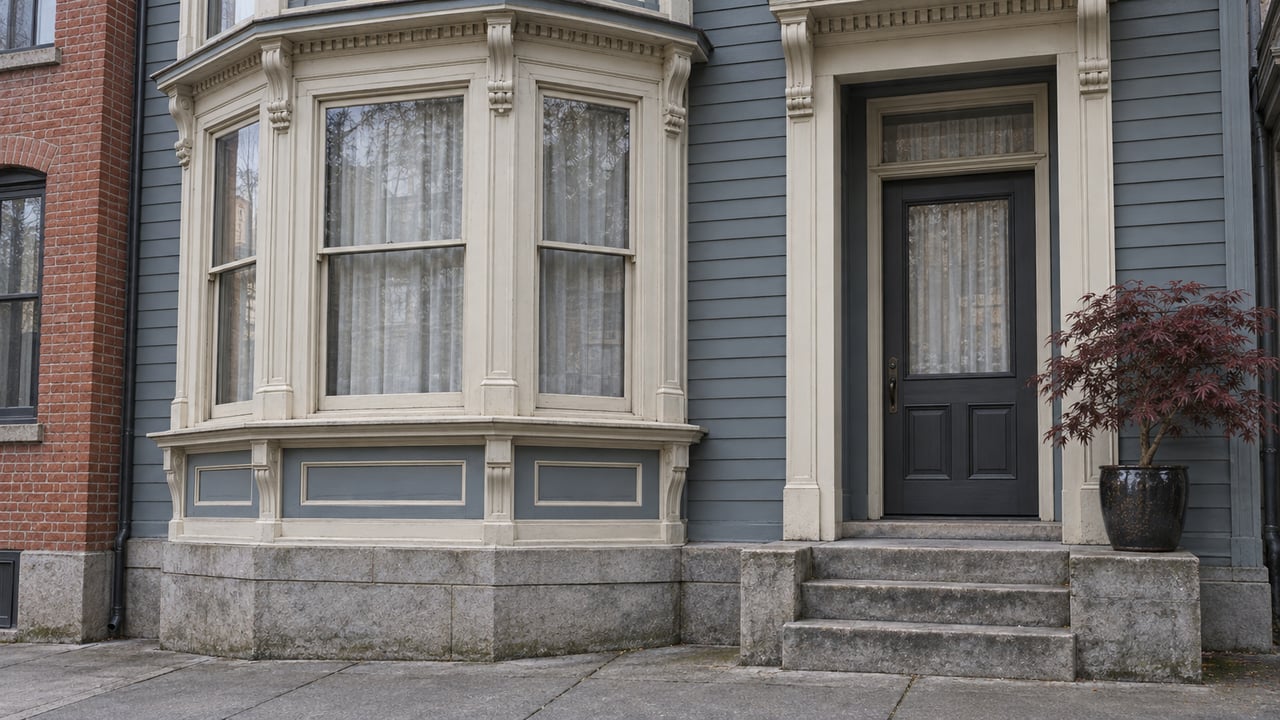
Noe Valley has a long-established residential building pattern that includes one- and two-unit homes, multi-family flats, and some mixed-use buildings, often in Victorian, Edwardian, Period Revival, and Mid-Century styles, according to a San Francisco Planning historic resource evaluation.
This is not a niche segment. The latest San Francisco Housing Inventory shows Noe Valley has 5,052 units in 2 to 4 unit buildings out of 11,551 total units, or about 43.7% of neighborhood housing stock. That means small multi-unit buildings are central to how this neighborhood functions.
For you as a buyer or seller, that has a clear takeaway. A Noe Valley multi-unit property is often viewed both as a place to live and as an income-producing asset. That is why legal unit count, unit mix, permit history, and tenant status matter so much.
What Buyers Should Review First
Confirm the legal setup
In older San Francisco buildings, legal clarity is essential. Before you fall in love with a floor plan or projected rental income, make sure you understand the legal unit count, how the building has been used, and whether past work appears consistent with permits and records.
That matters in Noe Valley because so much of the housing stock is older and built in small-building formats. A property may look straightforward at first glance, but value can shift if unit configuration, permit history, or compliance issues are unclear.
Study the unit mix
Unit mix affects how a building fits your goals. A property with a clear owner-occupant unit plus one or more rentable flats may appeal to buyers who want to live in one unit and offset costs with rental income.
By contrast, uneven unit sizes or awkward circulation can change how the property is perceived and used. In a neighborhood with a deep inventory of small multi-unit buildings, layout and livability can influence both resale appeal and day-to-day practicality.
Understand vacancy status
Vacancy is one of the biggest pricing levers in a San Francisco multi-unit deal. The city states that for an empty unit covered by rent control, there is no limit on the first rent a landlord may charge, while occupied covered units remain subject to annual increase limits under the Rent Ordinance.
That can create opportunity, but it is not a simple shortcut to value. A vacant unit may offer flexibility, but it can also point to turnover costs, deferred maintenance, or a building that needs work before it performs the way you expect.
What Sellers Need To Prepare
Price beyond square footage
If you are selling a Noe Valley multi-unit property, buyers will look at more than location and size. They are likely to weigh legal clarity, unit mix, vacancy, permit history, and the building’s readiness for compliant ownership.
That is especially true in a neighborhood where 2 to 4 unit buildings are so common. When buyers have options, the buildings that stand out are usually the ones that are easiest to understand and easiest to underwrite.
Organize permits and records
Permit-ready presentation can help reduce friction. San Francisco notes that many common small multifamily upgrades, including in-kind kitchen and bath remodels, new bathrooms, laundry rooms, reroofing, and certain deck or stair repairs, may follow a streamlined path through over-the-counter review, but electrical and plumbing work still need separate permits.
If your improvements are finished and documented clearly, buyers can evaluate the property with more confidence. If work changed floor plans, added fixtures, or falls outside streamlined categories, the review path may be more formal, which makes documentation even more important.
Present condition honestly
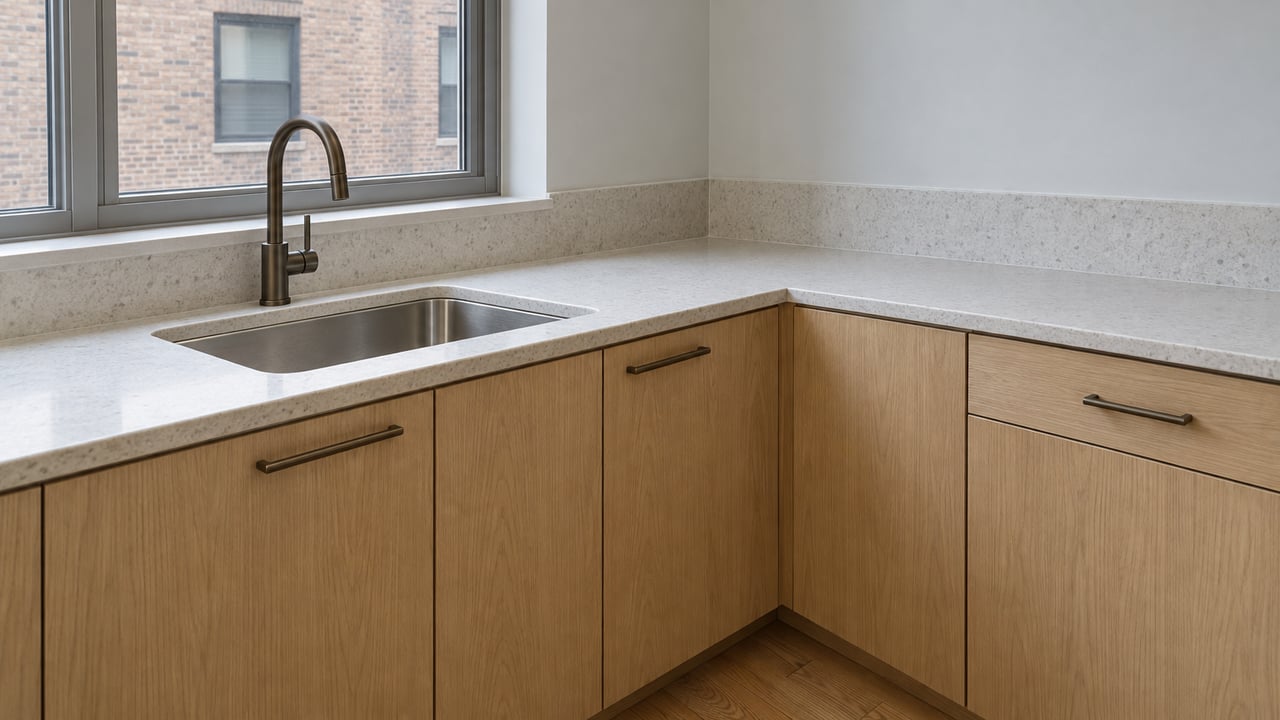
Condition can shape price just as much as income. In older Noe Valley buildings, buyers often pay close attention to roofing, kitchens, baths, plumbing, electrical systems, and seismic needs.
A clean, realistic presentation tends to work better than vague promises. If a buyer can quickly understand what has been updated, what still needs attention, and which items were permitted, your property becomes easier to compare and easier to trust.
Renovation And Seismic Factors
Know what work is common
Many Noe Valley multi-units are older wood-frame buildings, so upgrade questions come up often. Common projects include kitchens, baths, laundry additions, reroofing, and repairs to decks or stairs, as outlined by the city’s residential remodel guidance.
For buyers, this means future cost planning matters. For sellers, it means pre-listing preparation should focus on the work that makes the building easier to understand and easier to finance.
Factor in soft-story rules
Some wood-frame multi-family buildings in San Francisco are subject to soft-story seismic requirements. That can affect timelines, budgets, and how a buyer thinks about near-term capital improvements.
Seismic work may also have tax implications. San Francisco says qualifying earthquake retrofit improvements may be eligible for a reassessment exclusion, while other substantial remodels can be treated as new construction and assessed at market value.
Rent Law And Occupancy Rules Matter
Do not assume rent control status
San Francisco says many units built on or before June 13, 1979 have both rent control and eviction protection under local law, but coverage is property-specific, as explained in the city’s overview of San Francisco rental laws.
Because Noe Valley has an older building stock, many 2 to 4 unit properties need case-by-case review. Buyers should avoid broad assumptions, and sellers should be ready to explain what is known and what still needs verification.
Be careful with move-in strategies
Owner or relative move-in rules are heavily regulated. The city states that the owner or relative must occupy the unit as a principal residence for at least 36 continuous months, the process is complex, and certain protected tenants in buildings with two or more units cannot be evicted for this reason. You can review those requirements in the city’s guidance on owner or relative move-in evictions.
For buyers, that means occupancy plans should be reviewed carefully before writing an offer. For sellers, it means marketing language should stay factual and avoid suggesting an easy path where the rules are strict.
Understand Ellis Act limits
The Ellis Act process is also highly regulated. Owners must file a notice of intent, provide notice to tenants, and pay relocation assistance.
In practical terms, a vacant or repositionable building may attract stronger interest, but not because tenant removal is simple. Buyers and sellers both benefit when expectations are grounded in the city’s actual rules.
Tax And Filing Issues To Review
Plan for reassessment
Property tax planning is part of the math. San Francisco says real property is generally reassessed at market value when ownership changes or new construction occurs, while annual assessed-value growth is typically limited to inflation or 2 percent under Proposition 13 rules described by the city.
If you are buying, this affects your future carrying costs. If you are selling, buyers may factor that reset into how they evaluate net income and long-term affordability.
Check local lessor rules
For smaller landlords, local tax administration can also matter. The Treasurer and Tax Collector says a lessor of residential real estate is treated as a separate taxpayer for each building, and a person leasing fewer than four units in a building is exempt from the gross receipts tax, though filing or registration may still be required in some cases.
This is one of those details that can be easy to miss in a small-building purchase. It is worth reviewing early so you have a clearer picture of your operating obligations.
Keep up with annual reporting
Owners should also expect annual Housing Inventory reporting and, where applicable, a Rent Increase License before annual or banked increases. The city outlines those requirements in its notice regarding the Rent Board fee and Housing Inventory requirement.
These administrative details may not be the most exciting part of ownership, but they are part of what makes a building truly market-ready and compliance-ready.
Smart Moves For Buyers And Sellers
If you are buying in Noe Valley, focus on the basics that shape long-term value:
- Confirm legal unit count and building history
- Review vacancy and tenant status carefully
- Understand what work has been permitted
- Budget for repairs, seismic upgrades, and future compliance
- Factor in property tax reassessment after purchase
If you are selling, your smartest move is often to reduce uncertainty before the property hits the market:
- Organize permits, leases, and building records
- Clarify unit mix and current occupancy
- Present condition with clean, factual detail
- Highlight completed improvements with documentation
- Position the property for both owner-users and income-focused buyers when applicable
In Noe Valley, strong outcomes usually come from clarity. The more understandable the building is, the easier it becomes for buyers to value and for sellers to defend pricing.
When you are weighing a 2 to 4 unit property, details matter. A thoughtful strategy around presentation, legal status, and buyer fit can make a real difference in the result. If you are considering your next move in San Francisco, Sasha Mazur can help you evaluate the opportunity, present it well, and navigate the process with a sharp local perspective.
FAQs
What makes Noe Valley multi-unit properties different from other San Francisco homes?
- Noe Valley has a large concentration of 2 to 4 unit buildings, with about 43.7% of its housing stock in that category, so buyers and sellers often have to evaluate these properties as both homes and income assets.
What should buyers review before buying a Noe Valley 2 to 4 unit building?
- Buyers should review legal unit count, unit mix, vacancy status, permit history, building condition, possible seismic requirements, and whether local rental-law coverage applies to the property.
How does vacancy affect a Noe Valley multi-unit property’s value?
- Vacancy can increase flexibility because San Francisco allows the first rent on an empty covered unit to be set without a local cap, but it can also raise questions about turnover, holding costs, or deferred maintenance.
Do Noe Valley multi-unit buildings usually fall under San Francisco rent control?
- Many older units built on or before June 13, 1979 may have rent control and eviction protection, but coverage is property-specific, so each building needs individual review.
What renovations matter most when selling a Noe Valley multi-unit property?
- Buyers often focus on kitchens, baths, roofing, plumbing, electrical systems, laundry additions, stair or deck repairs, and seismic work, especially when improvements are clearly documented with permits.
What tax issue should buyers watch when purchasing a Noe Valley multi-unit building?
- A purchase can trigger reassessment at market value, and certain renovation work can also affect assessed value, so buyers should factor future property taxes into their ownership costs.