Buying your first home in San Francisco can feel like trying to solve a puzzle while the pieces keep moving. If you are focused on the Sunset District, the process gets more specific fast because this neighborhood has its own housing style, layout, and day-to-day rhythm. This roadmap will help you understand how to budget, tour homes, make an offer, and prepare for ownership in the Sunset so you can move forward with more clarity and confidence. Let’s dive in.
Why the Sunset feels different
The Sunset District is San Francisco’s largest neighborhood, covering about 4.5 square miles. It is generally bounded by the Pacific Ocean, Golden Gate Park, 4th and 15th Avenues, and Sloat Boulevard, and it includes areas such as Inner Sunset, Outer Sunset, Parkside, Oceanside, Golden Gate Heights, Parkway Terrace, and parts of West Portal.
That scale matters when you start your search. The Sunset contains more than 25,000 buildings, which is over 15% of San Francisco’s building stock. In other words, there is a lot to explore, but the homes often share traits that create a very specific buying experience.
Sunset homes have a distinct style
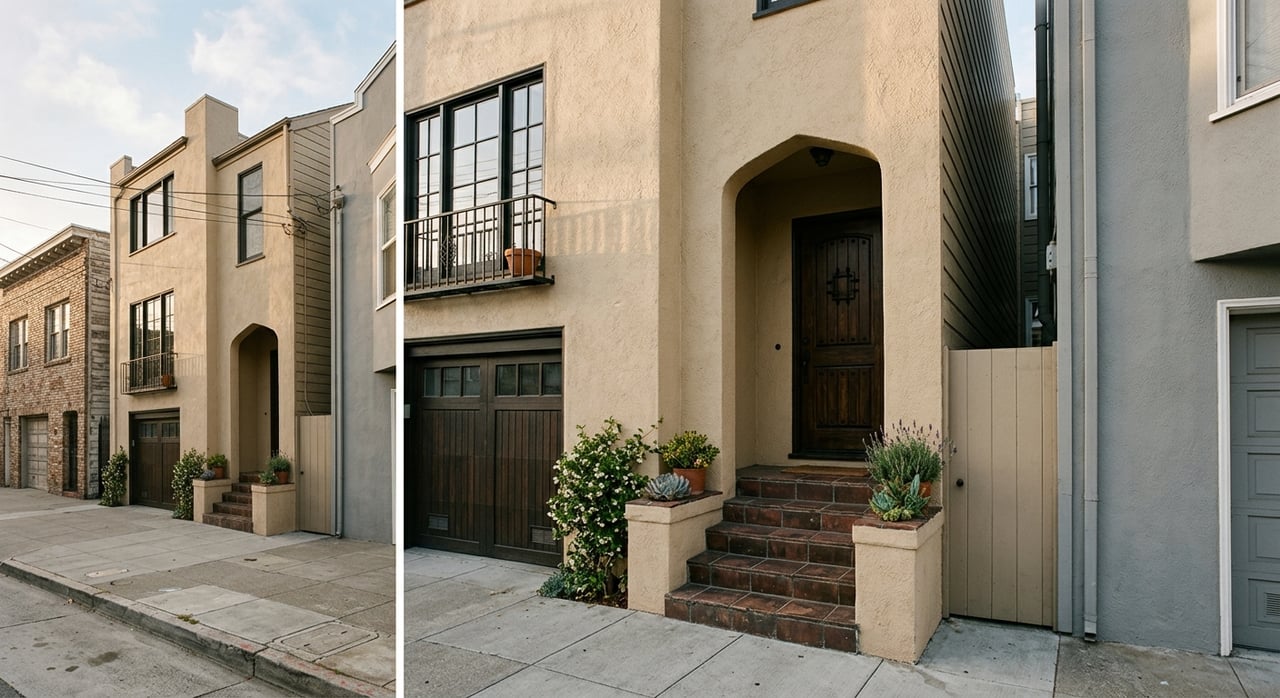
Most residential growth in the Sunset happened between 1925 and 1950. Many homes were built on 25-foot lots and have a stucco exterior, integrated garage, front setback, and flat or shallow roof.
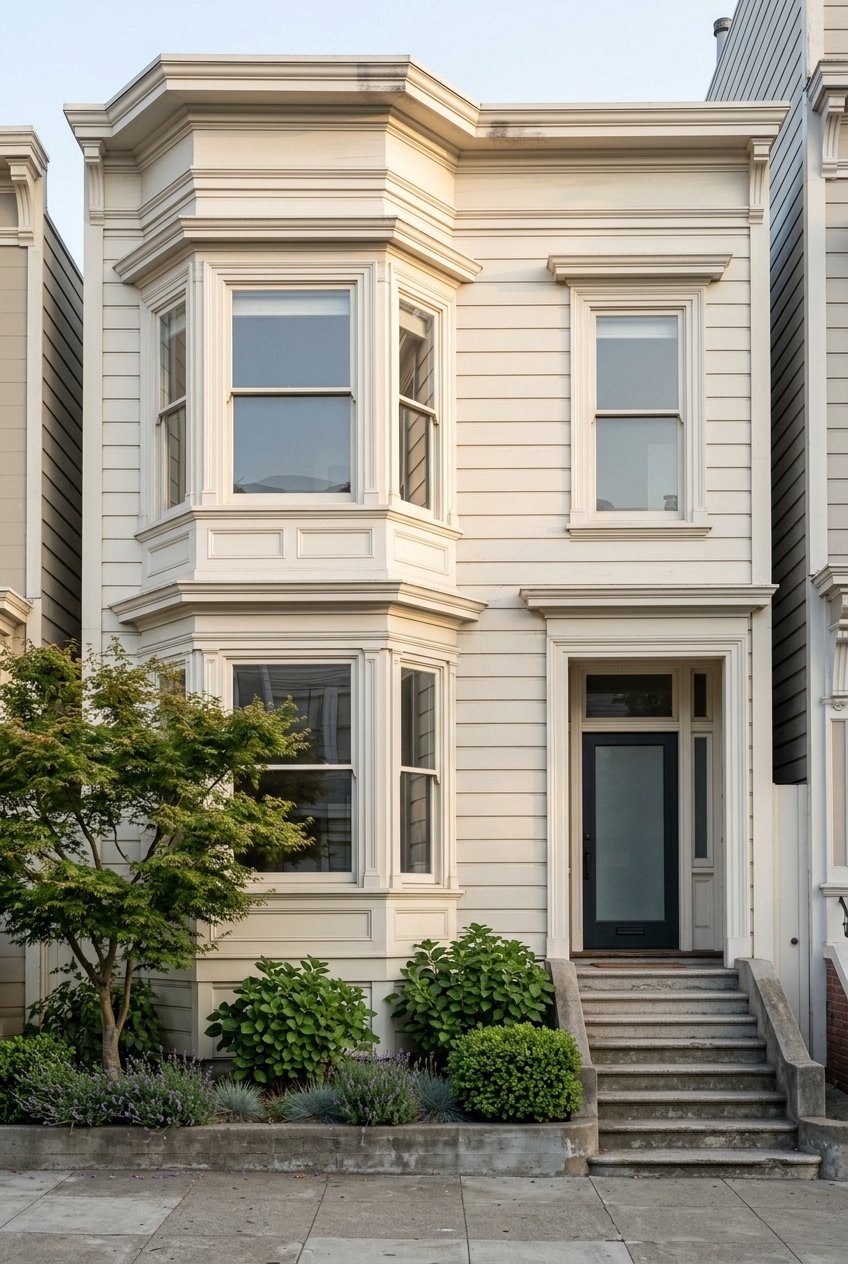
As you walk through the neighborhood, you will also notice repeated design details like bowed bay windows over garage openings and recessed garages. Common architectural styles include barrel-front Mediterranean Revival, Tudor Revival, Streamline Moderne, Colonial Revival, and Minimal Traditional.
For a first-time buyer, this means you are often evaluating older housing stock rather than newer construction. A home may have strong curb appeal and classic Sunset character, but it may also call for careful due diligence around condition, updates, and long-term maintenance.
Lifestyle and transit shape ownership
The Sunset is not just about housing stock. It is also about how you live day to day.
Golden Gate Park borders the neighborhood and stretches to Ocean Beach, which gives the area a strong park-and-coast identity. On the transit side, SFMTA notes that Outer Sunset service includes the N Judah, L Taraval, 7 Haight/Noriega, 18 46th Avenue, 28 19th Avenue, 29 Sunset, 48 Quintara/24th Street, and 66 Quintara, among others.
The N Judah runs through the Sunset Tunnel to downtown and Caltrain, while the L Taraval serves the SF Zoo to West Portal with weekday special service to Embarcadero. If commute patterns matter to you, transit access should be part of your home search from the start, not an afterthought.
Start with your real budget
Before you look at listings, get clear on what you can comfortably afford each month. Lenders may review your income, assets, employment, debts, and credit history, but your budget still needs to reflect your real life and what feels sustainable.
That monthly number should go beyond principal and interest. You should also account for property taxes, homeowners insurance, mortgage insurance if your down payment is under 20%, utilities, maintenance, and HOA dues if the property has them.
Closing costs matter too. They commonly run about 2% to 5% of the purchase price before your down payment, so they need a place in your plan early.
A simple Sunset budget checklist
- Monthly mortgage payment
- Property taxes
- Homeowners insurance
- Mortgage insurance, if applicable
- Utilities
- Ongoing maintenance and repairs
- HOA dues, if applicable
- Closing costs
- Cash reserves after closing
Understand preapproval before you shop
A preapproval letter can help show that a lender is tentatively willing to lend to you. That can make your offer look more serious, especially when you are competing with other buyers.
Still, a preapproval is not a guaranteed loan. It can also expire, often in 30 to 60 days, so timing matters.
If you are planning your first purchase carefully, it helps to think of preapproval as a readiness tool, not the finish line. It gives you a working price range and helps you move faster when the right property appears.
Use local homebuyer support if needed
If you want structured guidance, San Francisco’s Mayor’s Office of Housing and Community Development offers sustainable homeownership services for prospective first-time buyers. These services include counseling and education, along with help related to credit, budgeting, savings, and local program applications.
That can be especially helpful if you are building a plan from scratch. MOHCD also requires 10 hours of homebuyer education for titleholders age 18 or older in its homebuyer assistance programs, and San Francisco Below Market Rate applications require first-time homebuyer status plus a mortgage preapproval.
Tour Sunset homes with the building type in mind
In the Sunset, the inspection conversation should reflect the kind of homes you are seeing. Many properties are older tract houses with stucco exteriors, bay windows, integrated garages, flat or shallow roofs, and front setbacks.
That means you should pay close attention to practical details that affect ownership. Roof history, exterior condition, garage configuration, and signs of heavy alteration can all shape your costs and comfort after closing.
This is where patience pays off. A home that photographs beautifully may still raise important questions once you look closely at how it has been maintained over time.
Key things to watch during tours
- Roof age and maintenance history
- Condition of stucco and exterior surfaces
- Garage layout and usability
- Lower-level configuration
- Signs of major alterations or deferred maintenance
- HOA structure and dues for condos or managed properties
Inspection and appraisal are not the same
When you find a home you like, schedule an independent home inspection as soon as possible. It is also wise to make your purchase contract contingent on financing and a satisfactory inspection.
An inspection helps you understand the home’s condition. An appraisal is different and is generally required by the lender to support the value used in the loan.
For first-time buyers, this distinction is important. One protects your understanding of the property, and the other supports the lender’s underwriting process.
Think carefully about coastal exposure
Some parts of the Sunset sit closer to Ocean Beach or more exposed western blocks. If you are considering one of these homes, ask direct questions about flood and disaster risk, insurance, and recurring site conditions before you make an offer.
This is not about being alarmist. It is about understanding how location can affect monthly costs, future planning, and the day-to-day reality of owning in a coastal part of San Francisco.
Factor in HOA dues if you buy a condo
If you are looking at a condo or any HOA-managed property, remember that HOA dues are usually separate from your mortgage payment. They can also be substantial.
That is why they should be treated as part of your real monthly carrying cost. If a home seems affordable at first glance, HOA dues may change the math quickly.
What happens as you move toward closing
As you get closer to the finish line, details matter more, not less. Your lender must send the Closing Disclosure at least three business days before closing.
When you receive it, compare it with your Loan Estimate and review the promissory note and escrow documents carefully. You should also confirm that any agreed repairs have been completed before closing moves forward.
Recording and transfer tax in San Francisco
In San Francisco, transfer tax is collected when the deed or another title-transferring document is recorded. The rate depends on the amount paid or the fair market value, and the Assessor-Recorder handles the recording process.
This is one of those local details that first-time buyers should expect to see as part of the closing process. It is a good reminder that buying in San Francisco comes with city-specific steps and costs.
Know how property taxes are set
Property tax in San Francisco is based on assessed value, not simply the sale price. The city mails a Notice of Assessed Value annually, typically in July, and that assessed value is used to determine the upcoming year’s taxes.
For a first-time buyer, this matters after closing just as much as it matters before. Your tax picture is part of your long-term ownership cost, so it is worth understanding early.
Your first year in a Sunset home
After closing, reset your budget right away. You may need to file change-of-address updates, track insurance and tax payments, and build a repair fund if those bills are not handled through escrow.
In the Sunset, the first year often includes learning how an older house behaves in real life. You may be figuring out the garage and lower level, adjusting to maintenance patterns, or understanding how a more coastal location affects the property over time.
That is normal. The goal is not to predict every future repair, but to buy with open eyes and enough financial breathing room to handle the expected learning curve.
A practical first-time roadmap
If you want to keep the process simple, focus on this order:
- Set a monthly budget that reflects your real lifestyle.
- Build in closing costs, maintenance, and HOA dues if relevant.
- Get preapproved when you are ready to shop seriously.
- Tour Sunset homes with age, layout, and condition in mind.
- Ask detailed questions about roof, exterior, garage, and site conditions.
- Use inspection and financing contingencies wisely.
- Review closing documents carefully before signing.
- Plan your first-year budget before the keys are in your hand.
Buying your first home in the Sunset is not just about winning a property. It is about choosing a home and a neighborhood with a clear understanding of how they work together. If you want a thoughtful, local perspective as you weigh your options, Sasha Mazur can help you navigate the process with clarity, responsiveness, and a sharp eye for San Francisco housing.
FAQs
What makes the Sunset District different for first-time homebuyers?
- The Sunset is San Francisco’s largest neighborhood, with a large concentration of older homes built mostly from 1925 to 1950, so buyers often need to pay close attention to condition, layout, and maintenance.
What should first-time buyers budget for in the Sunset District?
- Your budget should include the mortgage, property taxes, homeowners insurance, mortgage insurance if applicable, utilities, maintenance, HOA dues if applicable, closing costs, and post-closing cash reserves.
What should buyers inspect in older Sunset homes?
- In many Sunset homes, it is smart to focus on roof history, stucco and exterior condition, garage configuration, lower-level use, and signs of major alterations or deferred maintenance.
What should buyers know about condos in the Sunset District?
- If you buy a condo or HOA-managed property, HOA dues are usually separate from the mortgage payment and should be treated as part of your regular monthly housing cost.
What happens at closing for a Sunset home purchase?
- Before closing, you should review the Closing Disclosure, compare it with the Loan Estimate, check the promissory note and escrow documents, and confirm any agreed repairs were completed.
How are property taxes handled after buying a home in San Francisco?
- Property taxes are based on assessed value, and the city typically mails a Notice of Assessed Value in July to determine the upcoming year’s taxes.