If you want a San Francisco neighborhood with real street life, strong local identity, and a day-to-day routine that feels easy to navigate without a car, the Mission usually lands near the top of the list. For many buyers and renters, it offers a mix that can be hard to find elsewhere in the city: sunny weather, walkable commercial streets, layered architecture, and quick transit connections. If you are wondering what it actually feels like to live here, this guide will help you picture the rhythm of daily life in the Mission. Let’s dive in.
The Mission at a Glance
The Mission has long been described by planners as a city within a city, and that phrase fits. The neighborhood brings together housing, shops, restaurants, cultural spaces, and transit in a compact area, so many daily errands and social plans can happen close to home. That layout gives the neighborhood a busy, lived-in feel rather than a purely residential one.
Another part of the Mission’s appeal is its setting. Planning documents note that the neighborhood sits on a relatively flat valley floor and is buffered from some of the ocean wind and fog. In practical terms, that often means a sunnier, more outdoor-friendly feel than many people expect from San Francisco.
Streets That Feel Active and Walkable
One of the clearest things you notice in the Mission is how much activity happens at street level. SF Planning describes the district’s commercial corridors as crowded with pedestrians and supported by storefront retail, street art, murals, crosswalks, and strong transit access. If you like neighborhoods where the sidewalk feels like part of everyday life, the Mission delivers that experience.
The area’s energy is concentrated along several well-known corridors, and each one has its own personality. That makes the neighborhood easier to read and easier to enjoy, whether you are grabbing coffee, meeting friends, or just taking a long walk.
Mission Street
Mission Street functions as the neighborhood’s main drag. It is one of the key commercial spines, with a steady mix of markets, shops, restaurants, and neighborhood-serving businesses. Daily life here tends to feel fast-moving and practical, with plenty happening at once.
Valencia Street
Valencia Street is often associated with cafes, bars, and a polished retail-and-dining rhythm. If you picture weekend coffee runs, casual dinners, and browsing local storefronts, this corridor often defines that side of Mission living. It is one of the stretches that helps give the neighborhood its social, all-day feel.
24th Street
24th Street adds a lively, tree-lined retail strip to the neighborhood mix. It is another corridor where local businesses and daily errands can blend easily with food, culture, and street activity. For many people, this part of the Mission feels especially grounded in the neighborhood’s everyday identity.
20th Street
20th Street has emerged as a newer dining and cocktail corridor. That gives the neighborhood another layer of nightlife and social activity without requiring you to leave the area. If you enjoy having different options for evenings out, this adds to the Mission’s appeal.
Housing Feels Layered, Not Uniform
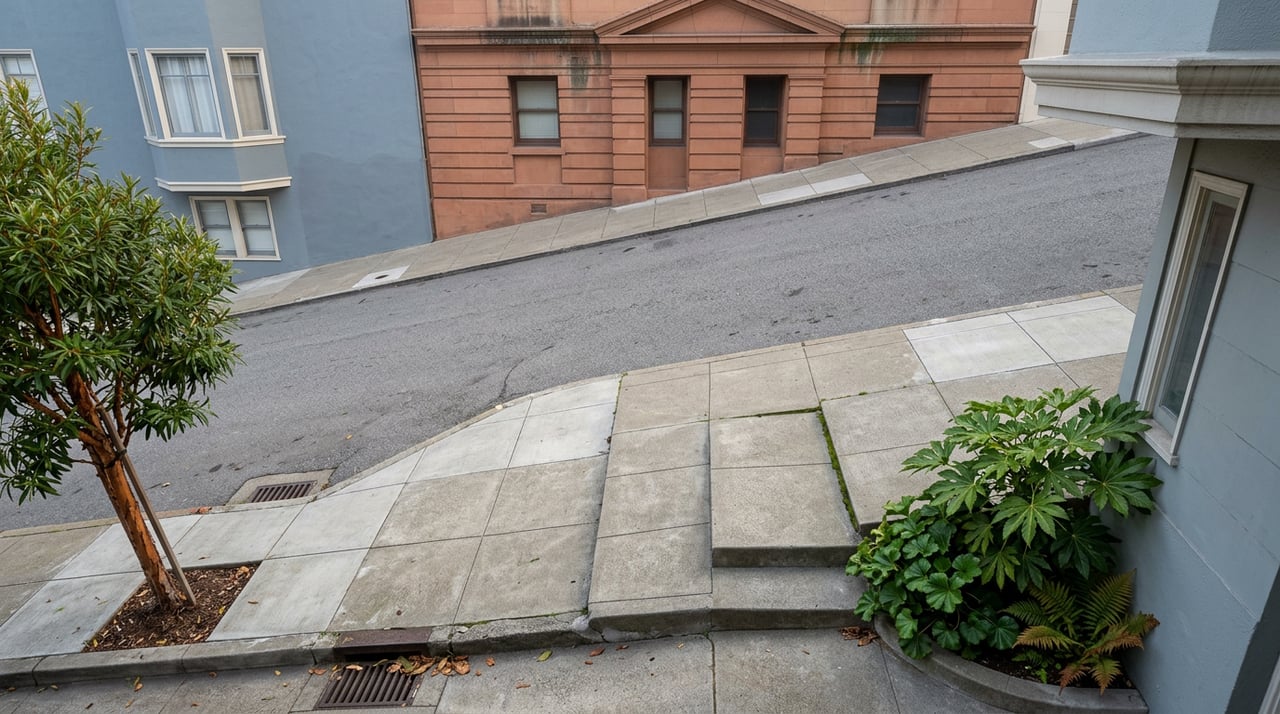
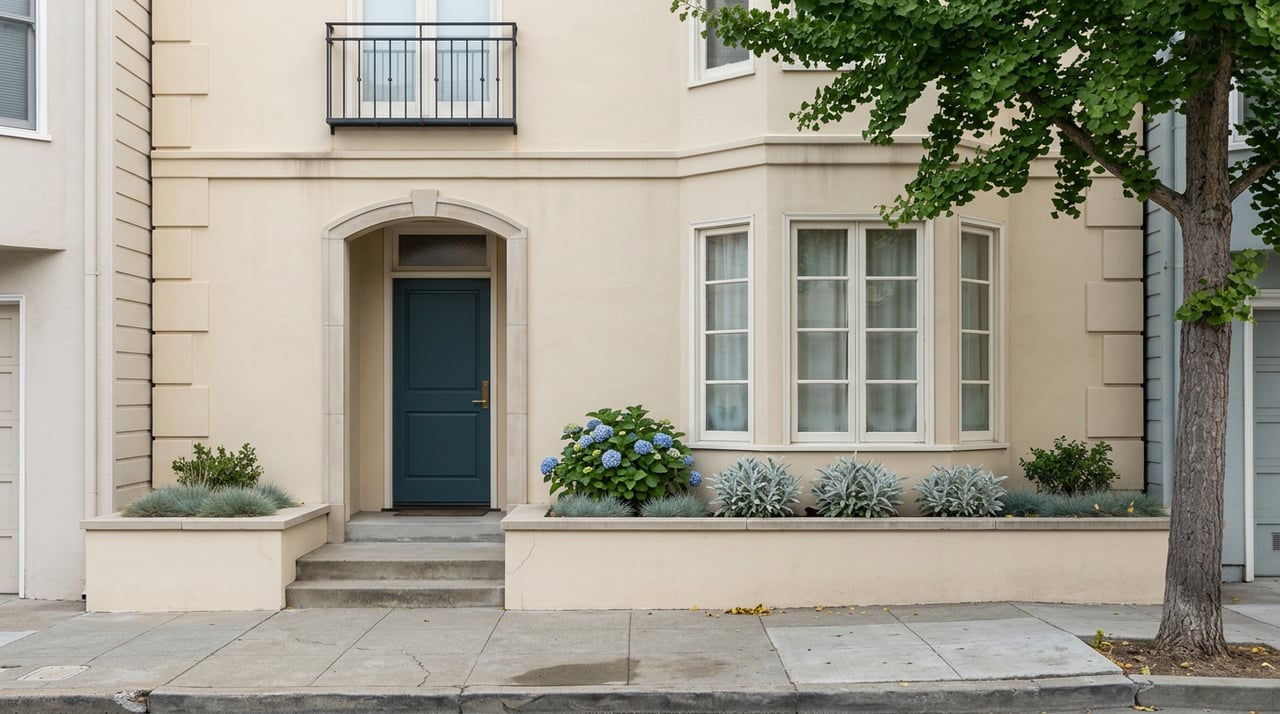
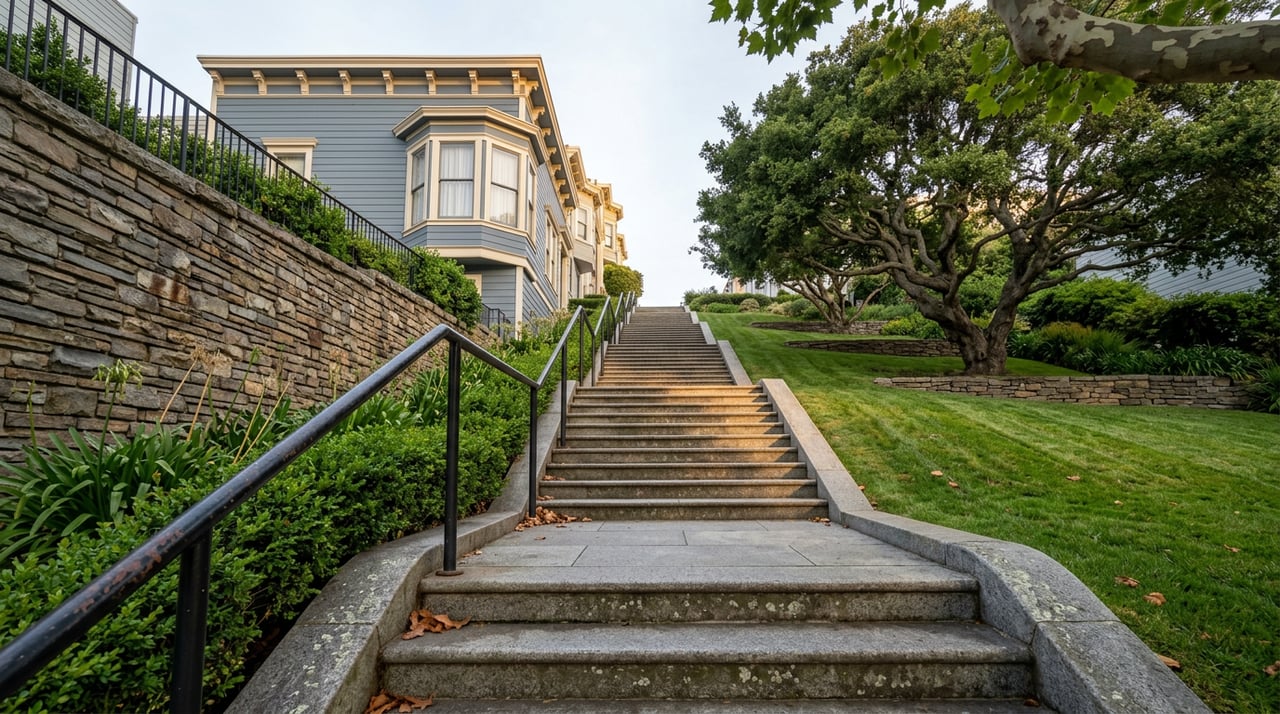
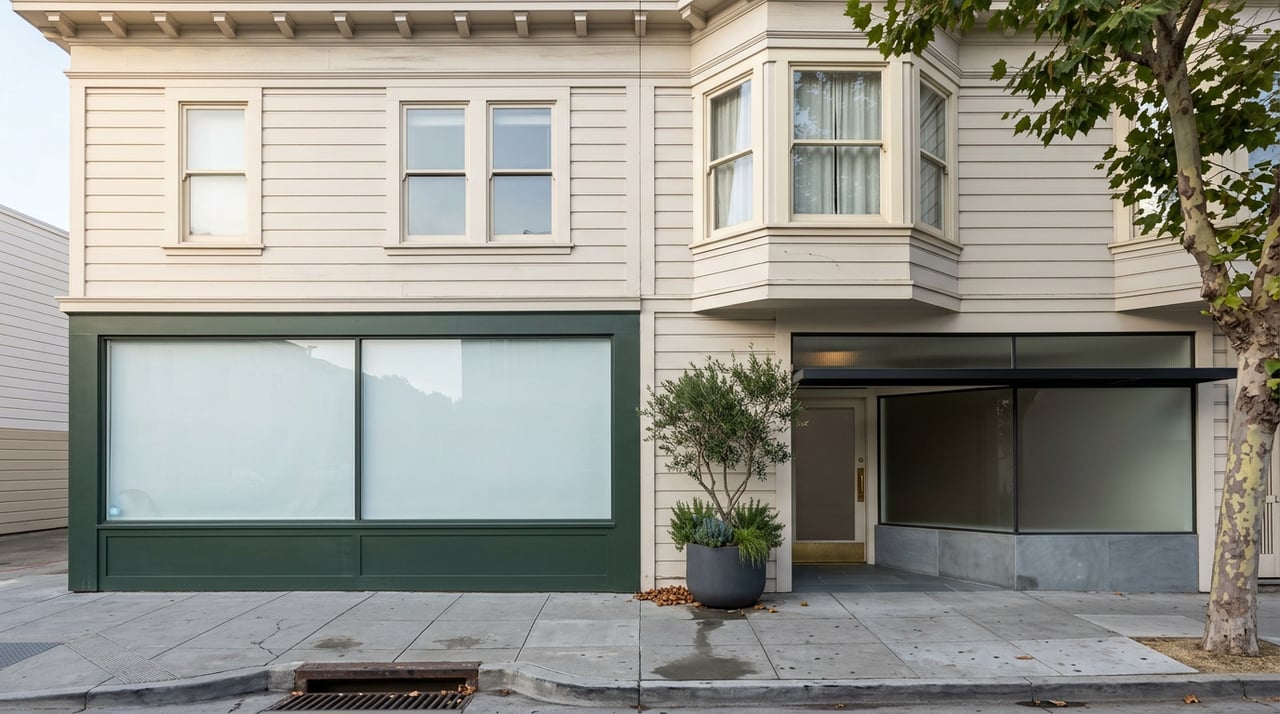
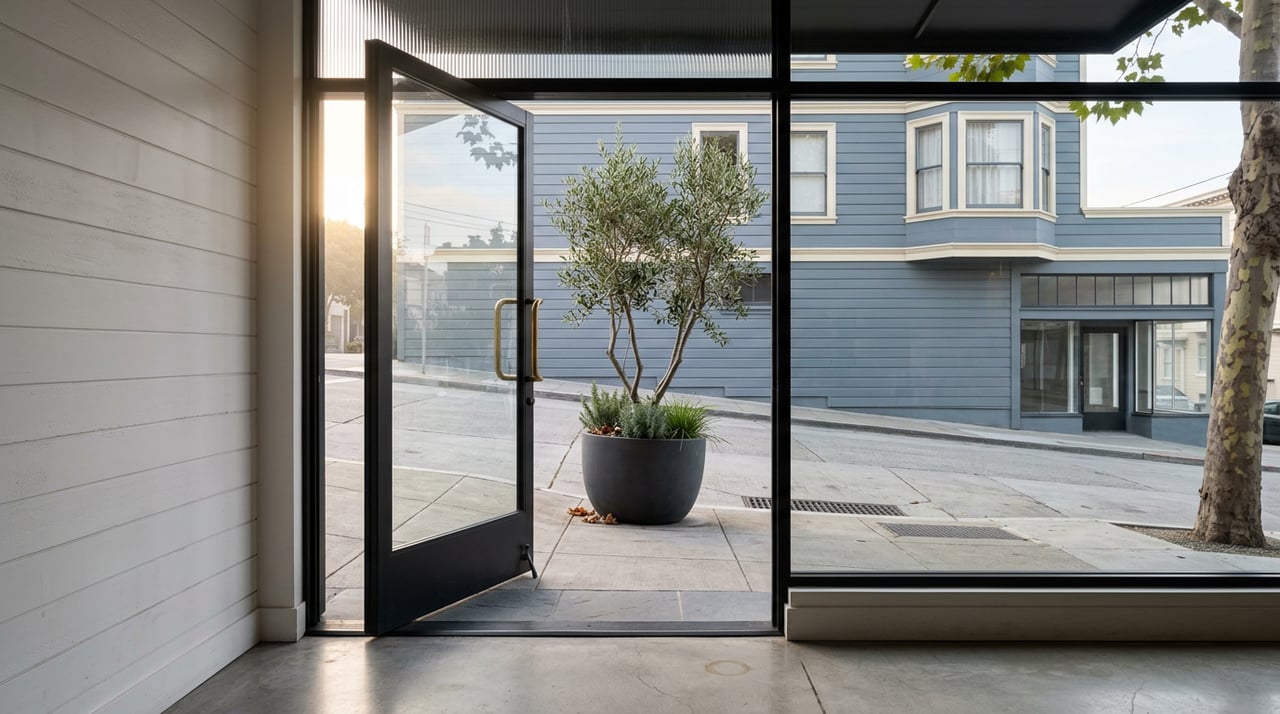
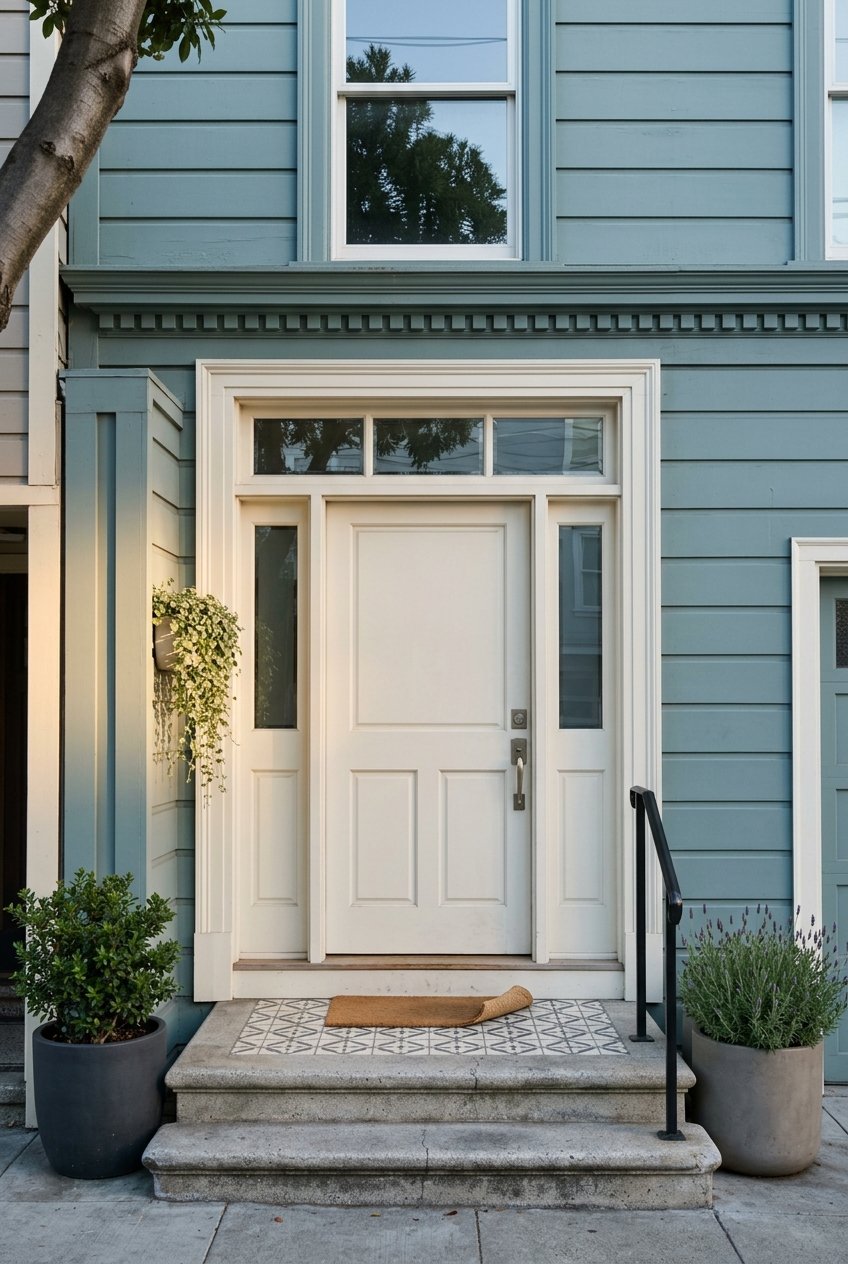
The Mission’s housing stock is varied, which is part of why the neighborhood feels visually interesting block to block. Historic records point to workingman’s cottages, semi-attached row houses, multi-family flats, and wood-frame homes, along with Victorian-era and early 20th-century styles. You can see Italianate, Stick/Eastlake, Queen Anne, Classical Revival or Edwardian, and early Craftsman or bungalow influences across the district.
That mix matters if you are home shopping here. Instead of a neighborhood with one dominant look, the Mission offers a more layered streetscape where architecture can shift noticeably even on the same walk. For buyers who care about character, that variety can be a major draw.
Historic Character Is Part of Daily Life
In the Mission, historic character is not tucked away in one small pocket. Preservation planning identifies multiple 1906 Fire Line historic districts, the Liberty Hill historic district, and many landmarks and cultural resources throughout the area. The Mission Area Plan also continues to treat historic-resource protection as an active neighborhood goal.
For you as a resident, that can translate into a neighborhood with strong visual identity and a sense of continuity over time. Older buildings, established blocks, and cultural landmarks help shape the experience of living here. It feels like a place with layers, not a place that was built all at once.
Food and Culture Are Built In
The Mission is one of those neighborhoods where food and culture are part of the daily routine, not just something you seek out once in a while. BART and SF Planning describe the area as packed with restaurants, markets, performance spaces, shops, nightspots, and neighborhood-serving businesses. That concentration helps explain why the Mission often feels active from morning through late evening.
If you enjoy living somewhere that offers a lot of options close to home, this is one of the neighborhood’s strongest selling points. You can step out for coffee, pick up groceries, meet friends for dinner, and catch a performance without covering much distance.
Public Art Shapes the Neighborhood
The Mission’s visual identity is closely tied to its murals and arts spaces. SF Travel describes the neighborhood as a virtual outdoor art gallery, with alleyways that contain some of the city’s most vibrant public art. In daily life, that means ordinary walks can feel more memorable because art is part of the streetscape itself.
Balmy Alley and Clarion Alley are often part of how people experience the neighborhood, especially on weekends. The area also includes organizations and venues that support arts programming, including Precita Eyes, MCCLA, The Women’s Building, and Mission Arts Center. Together, they help make the Mission feel creative, expressive, and culturally active.
Parks Add Space to Unwind
Even with all its urban energy, the Mission offers several places to slow down. Mission Dolores Park is nearly 16 acres and remains one of San Francisco’s most popular parks. It includes lawns, skyline views, tennis and basketball courts, a soccer field, playgrounds, and off-leash dog areas.
Dolores Park helps define the neighborhood’s outdoor rhythm. It gives you room to relax, meet friends, exercise, or simply spend time outside on a sunny day. The park is bounded by Church, Dolores, 18th, and 20th streets, and the J-Church line runs along its western edge, which keeps it well connected.
Smaller neighborhood parks also add value to daily life. Precita Park offers a butterfly garden, playground, and grassy field, while Mission Playground includes courts, a clubhouse, and the city’s only public outdoor pool. These spaces help balance the Mission’s density with accessible outdoor breaks.
Getting Around Is One of the Biggest Perks
For many people, the Mission’s transit access is a major reason to live here. The neighborhood is served by BART stations at 16th Street and 24th Street, which connect to multiple regional lines. The district also has a long list of Muni routes, and the 14 Mission and 14R corridor alone carries nearly 46,000 passengers a day.
SF Planning describes the Mission as compact and transit-rich, with walking, bicycling, and public transit all functioning as high-demand modes. In real life, that often means you can build a car-light routine more easily here than in many other neighborhoods. Commuting, errands, dining out, and meeting up with friends can all feel more convenient when so much is close together.
What a Typical Weekend Can Feel Like
One of the easiest ways to picture life in the Mission is to imagine a weekend day. A common neighborhood rhythm might start with brunch or coffee, continue with a mural walk through Balmy Alley or Clarion Alley, move into an afternoon stop at Dolores Park, and end with dinner or drinks nearby. That pattern shows up repeatedly in local guides because it reflects how naturally the neighborhood’s pieces fit together.
That is really the Mission’s core appeal. You do not need to plan an elaborate day to enjoy it. The neighborhood gives you a built-in mix of movement, food, culture, and outdoor space within a relatively compact footprint.
Who Usually Loves Living in the Mission
The Mission often appeals to people who want an urban neighborhood with strong walkability, visible culture, and a lot happening nearby. If you value older housing, varied architecture, lively commercial streets, and easy transit, it can be a compelling fit. It can also work well if you want a neighborhood where parks, dining, and daily errands all feel integrated into one routine.
From a home search perspective, it is especially useful to think about your preferred pace and streetscape. Some parts of the Mission feel more commercial and high-energy, while others feel more residential and architectural. Knowing how you want your block to feel can help narrow your options.
Why the Mission Stands Out
What makes the Mission stand out is not just one feature. It is the combination of sunny weather, layered housing stock, active retail corridors, public art, parks, and unusually strong transit access. Few San Francisco neighborhoods package all of that together in such a compact area.
If you are considering a move here, it helps to experience the neighborhood at different times of day and on different blocks. The Mission is not one-note, and that is exactly why so many people find it compelling.
If you are thinking about buying, selling, or relocating within San Francisco and want help understanding how the Mission compares with other neighborhoods, Sasha Mazur can help you evaluate the options with clear local insight.
FAQs
What is daily life like in the Mission District?
- Daily life in the Mission often feels active, walkable, and car-light, with shops, restaurants, parks, murals, and transit all close together.
What kind of homes are in the Mission District?
- The housing stock is varied and includes workingman’s cottages, row houses, multi-family flats, wood-frame homes, and several Victorian and early 20th-century architectural styles.
What are the main commercial streets in the Mission District?
- Mission Street is the main drag, Valencia Street is known for cafes and bars, 24th Street is a lively tree-lined retail strip, and 20th Street has grown as a dining and cocktail corridor.
How is transit in the Mission District?
- The Mission has strong transit access, including BART stations at 16th and 24th streets, multiple Muni routes, and a highly used 14 Mission and 14R corridor.
Are there parks in the Mission District?
- Yes. Mission Dolores Park is the best-known open space, and the neighborhood also includes places like Precita Park and Mission Playground.
What makes the Mission District feel different from other San Francisco neighborhoods?
- The Mission stands out for its sunny feel, layered architecture, dense commercial activity, strong public art presence, and convenient transit connections.