Picture this: you step outside your condo, feel the Bay breeze, and within minutes you are walking along Marina Green or grabbing coffee on Chestnut Street. That version of Marina living is very real, but buying a condo here takes more than falling for the view or the lifestyle. You need to understand the neighborhood’s building stock, HOA details, parking realities, and waterfront risk factors so you can buy with confidence. Let’s dive in.
Why Marina waterfront living stands out
The Marina District offers a rare mix of Bay access, residential scale, and city convenience. According to San Francisco Planning, the neighborhood is bounded by Marina Boulevard, Lombard Street, Van Ness Avenue, and the Presidio, and it developed rapidly between the wars on the site of the 1915 Panama-Pacific International Exposition.
That history helps explain why the Marina feels different from areas known for newer condo towers. Instead of a skyline of uniform high-rises, you are more likely to find a compact street grid with flats, apartment buildings, and single-family homes close to the waterfront and downtown.
Planning records also note that the area was once marshy ground and open water, later transformed through seawall construction, fill, and grading. For buyers, that makes the Marina both appealing and important to evaluate carefully, especially when you are comparing buildings near the Bay.
What Marina condos are really like
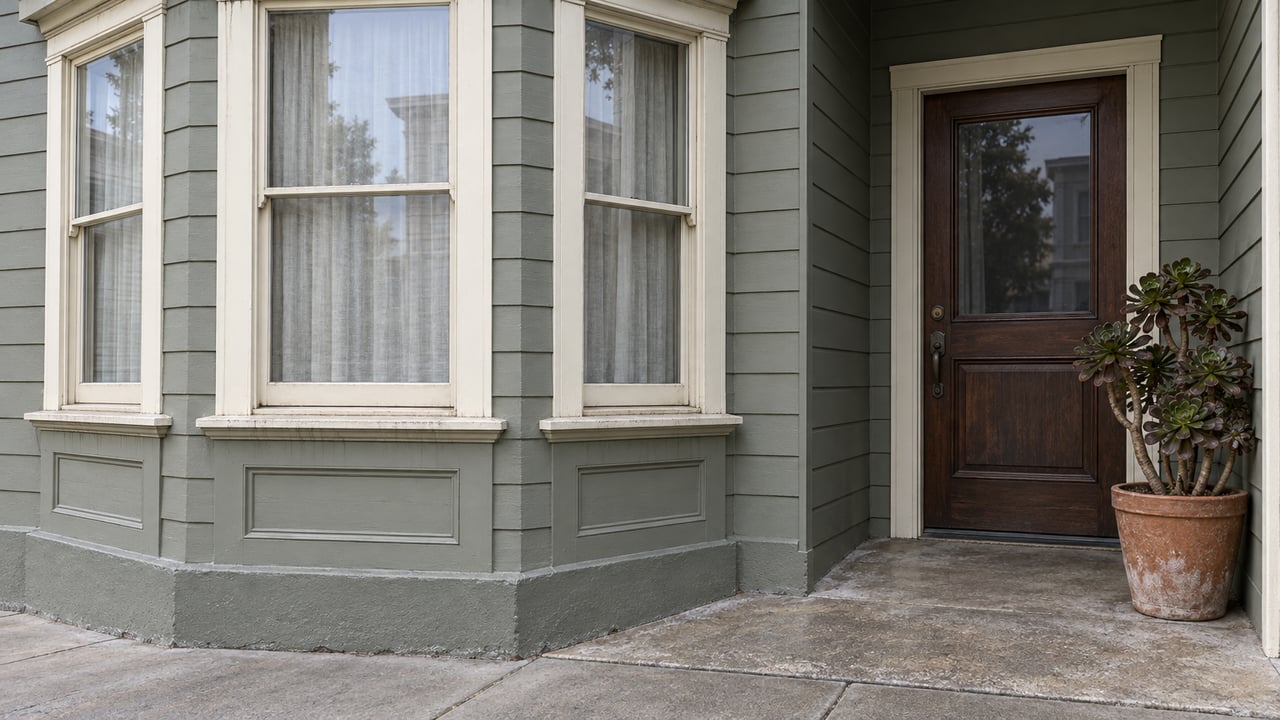
If you are starting your search, it helps to reset expectations. Most Marina condos are not cookie-cutter, full-service buildings. They are often part of older walk-ups, smaller condo conversions, or mid-sized apartment buildings dating to the 1920s and 1930s.
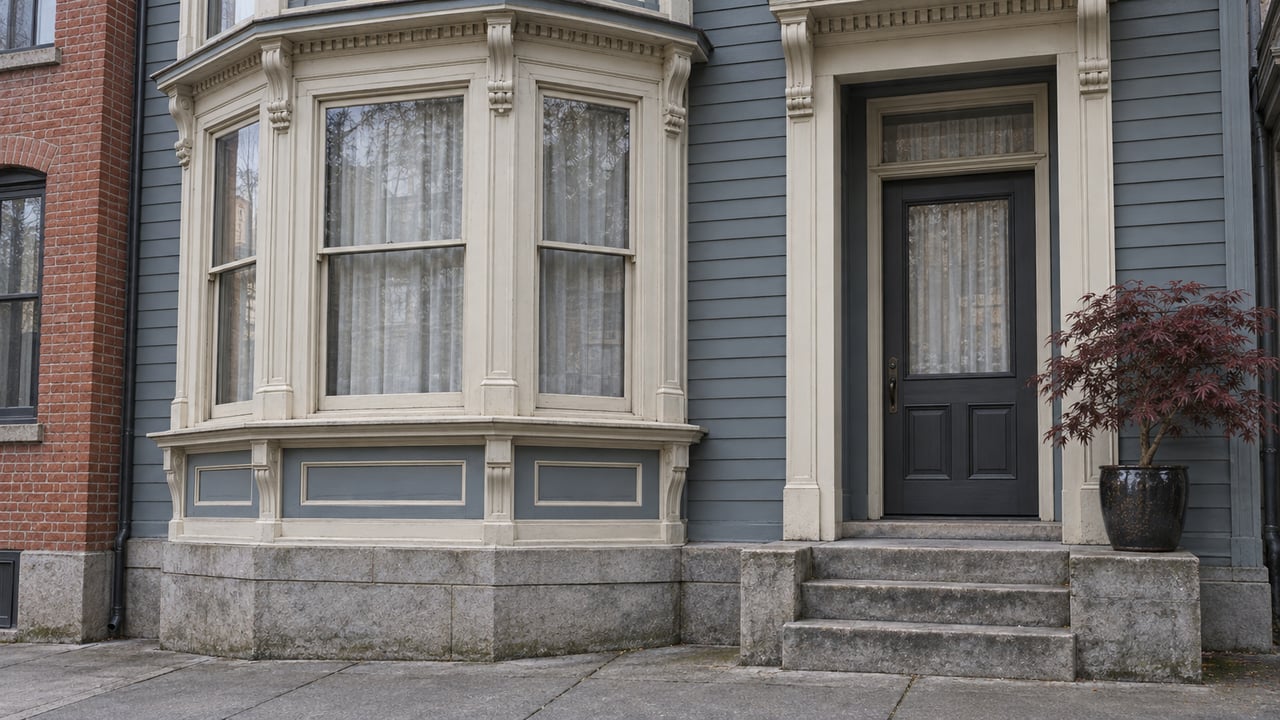
San Francisco Planning identifies Mediterranean Revival, Spanish Eclectic, and other Period Revival styles as common in the neighborhood. That means many homes offer architectural character and original details, but amenities can vary a lot from one building to the next.
Focus on the building, not just the address
In the Marina, two condos on nearby blocks can feel very different in daily life. One may have garage parking, storage, and an updated common area, while another may offer great charm but no elevator and limited private space.
As you compare listings, pay close attention to these building-specific details:
- Elevator or walk-up access
- Garage or no garage
- Deeded, assigned, or leased parking
- Private outdoor space versus shared space
- Storage availability
- Original period details versus later remodels
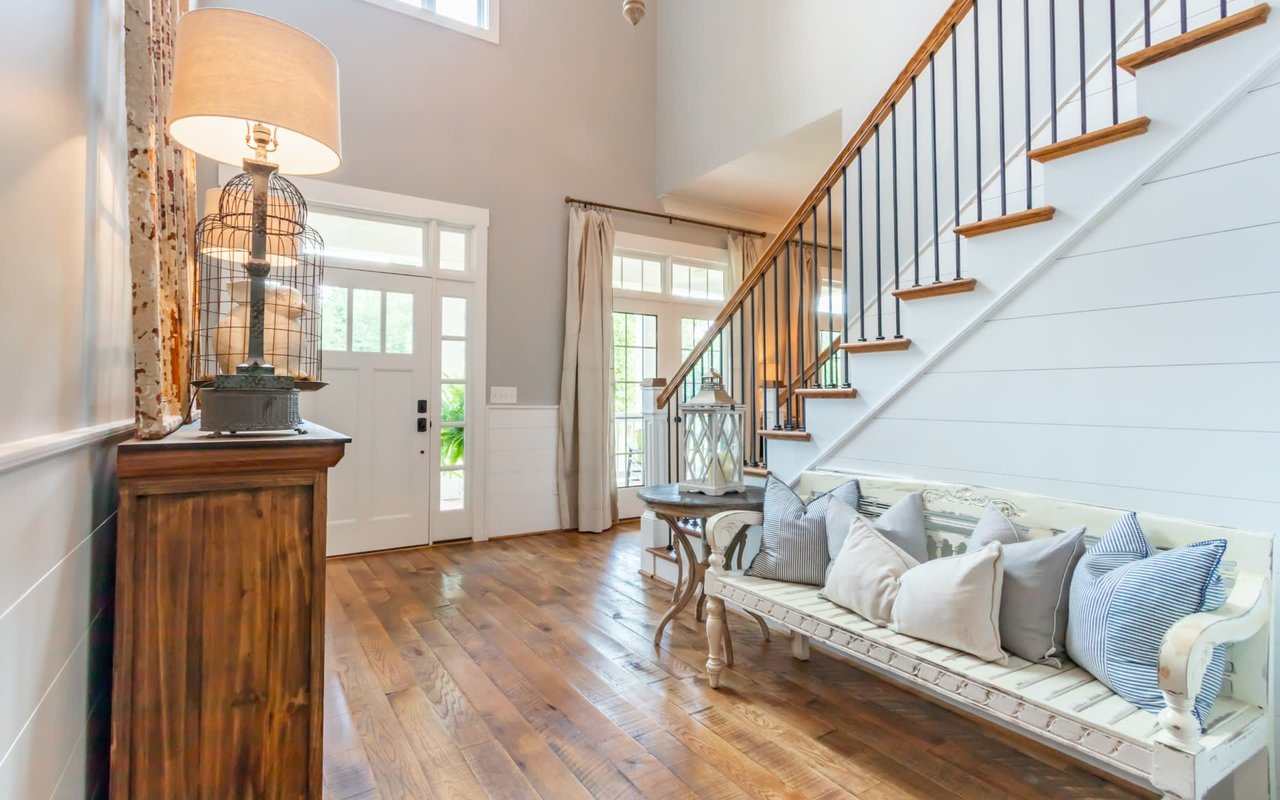
This is where local knowledge matters. A beautiful listing photo set can draw you in, but the practical differences between buildings often shape your long-term experience more than the staging does.
The waterfront lifestyle you are buying into
One of the Marina’s biggest draws is how easily daily life can spill outdoors. Marina Green runs along the Bay between Fort Mason and the Presidio, giving residents direct access to open space, water views, and walking paths.
San Francisco Recreation and Parks says the Marina Yacht Harbor has 727 berths and that Marina Green hosts events such as Fleet Week and Escape From Alcatraz. For you as a buyer, that means the waterfront brings both lifestyle perks and some tradeoffs, including event traffic, visitor activity, and busier weekends near the shoreline.
Public space is a major amenity
The Marina has more parkland than many other parts of San Francisco, with places like Marina Green, Moscone Park Playground, the Palace of Fine Arts, and Fort Mason all contributing to the neighborhood’s appeal. If you value outdoor access, this can feel like an extension of your living space.
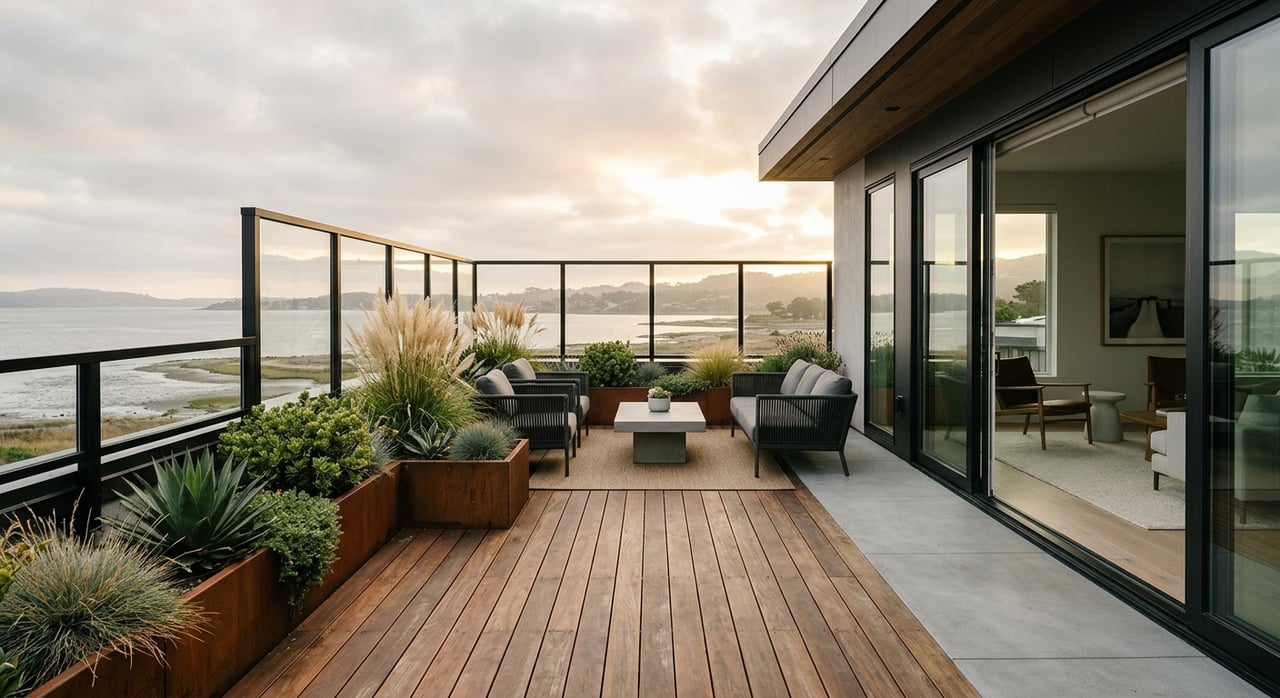
At the same time, public-facing open space is not the same as private outdoor space. If a condo advertises proximity to the waterfront, be sure you also confirm whether the unit itself has a deck, patio, roof access, or any outdoor area that is private rather than shared.
Waterfront improvements matter
City investment in the shoreline is another point worth watching. The Marina Improvement and Remediation Project includes plans for an accessible kayak launch, renovated East Harbor docks, a widened shoreline and improved Bay Trail, more picnic and lawn areas, and rebuilt shoreline protection designed with sea-level-rise conditions in mind.
For buyers, this signals continued attention to both public access and waterfront resilience. It does not replace your property-level due diligence, but it does show that the waterfront is an actively managed civic asset rather than a static backdrop.
Chestnut Street and daily convenience
Waterfront living in the Marina is not just about views. It is also about how easy the neighborhood feels on a normal Tuesday.
Chestnut Street is the Marina’s main commercial stretch and one of its three major retail corridors, alongside Lombard and Union. It is known as a walkable corridor with restaurants, cafes, boutiques, retail, and historic movie theaters, which helps support the Marina’s neighborhood-scale feel.
For many buyers, this balance is the sweet spot. You get access to open space and Bay views, but you also get everyday convenience within a short walk.
Transit and car-light living
Some buyers assume the Marina is automatically easy for a car-free commute, but it is smart to get specific. The SFMTA’s current 30X Marina Express runs on weekdays in the morning and includes inbound downtown stops along Chestnut Street at Pierce, Fillmore, Webster, Laguna, Gough, and Van Ness.
That can make a car-light commute workable for some residents, especially if your schedule lines up with the service window. But it is not the same as having all-day express service, so you should evaluate transit based on your actual routine rather than general neighborhood buzz.
Condo due diligence in the Marina
In any condo purchase, the HOA package matters. In the Marina, it matters even more because older buildings often come with more variation in maintenance needs, reserve funding, and improvement timing.
California Civil Code section 4525 requires a formal HOA disclosure packet that can include unresolved violations, approved but not-yet-due assessment changes, requested board minutes from the prior 12 months, rental restrictions, and the latest inspection report. That gives you a much deeper picture than the listing description alone.
Read HOA dues in context
A lower monthly HOA number is not always better. The California Department of Real Estate’s reserve-study guidance highlights reserve summaries, reserve deficiency per unit, deferred repairs, and whether special assessments are anticipated.
In plain terms, you want to know whether the building is keeping up with reality. Dues, reserves, insurance, and upcoming repairs should all be reviewed together.
Key HOA questions to ask
Before you move forward on a Marina condo, ask questions like these:
- Are reserves adequately funded?
- Are there deferred repairs?
- Is a special assessment being discussed or anticipated?
- What do the last 12 months of board minutes reveal?
- Are there unresolved violations?
- What maintenance responsibilities belong to the HOA versus the owner?
The California Attorney General notes that the Davis-Stirling Act governs HOA finances, maintenance responsibilities, elections, and dispute resolution. That is why the disclosure package should be treated as a core part of your buying decision, not just a stack of paperwork to skim.
Parking can change the value equation
Parking deserves special attention in the Marina because it can affect both daily convenience and resale appeal. Not every building includes garage parking, and not every street parking setup works the same way.
SFMTA says residents in a residential parking permit area can park without paying posted time limits, but rules are block-specific and each address must qualify. Near the waterfront, Marina Green parking is public and first-come, first-served.
That is why you should verify exactly what comes with the condo:
- Deeded parking
- Assigned garage space
- Leased parking arrangement
- No on-site parking
- Street-parking dependence only
A listing that says “parking nearby” is not the same as deeded parking in the building. In a neighborhood where lifestyle and convenience carry real value, that distinction matters.
Flood and drainage questions to ask
Because the Marina has fill history and sits near the Bay, flood and drainage review should be part of your due diligence. This is not about alarm. It is about understanding the property clearly.
SFPUC’s 100-Year Storm Flood Map is an official disclosure tool for stormwater runoff risk and was updated in December 2024. San Francisco law requires sellers or landlords to disclose if a property is in the mapped flood-risk zone.
Use a broader waterfront lens
SFPUC also notes that this map does not show flood risk from the Bay or ocean. So if you are considering a waterfront-adjacent condo, treat the stormwater map as one piece of the puzzle, not the whole answer.
A smart buyer review may include:
- Whether the property is in the SFPUC mapped flood-risk zone
- How the building handles drainage and water intrusion concerns
- Whether lower-level garages or storage areas have any known issues
- What the seller disclosures and HOA documents reveal about past water-related problems
These questions are especially important in older buildings, where construction methods and later upgrades can vary.
How to compare Marina condos well
When buyers fall in love with the Marina, they sometimes focus on the block or the view and move too quickly past the building itself. A better approach is to compare each condo through the lens of daily function, long-term upkeep, and true waterfront exposure.
A strong comparison checklist includes:
- Building age and condition
- Unit layout and natural light
- Private versus shared outdoor space
- HOA reserves and assessment risk
- Parking type and ease of use
- Elevator access
- Storage
- Transit fit for your real schedule
- Event activity near the waterfront
- Flood and drainage disclosures
This is where an experienced local advisor can help you separate cosmetic appeal from durable value. In a neighborhood with so much character, the most informed purchase is usually the one that balances charm with clear-eyed due diligence.
If you are considering a Marina condo, the goal is not just to buy into a beautiful setting. It is to understand exactly how the building, block, and waterfront context fit your lifestyle and risk tolerance so you can move forward with confidence.
If you want help evaluating Marina condos with a design-aware eye and a practical approach to disclosures, parking, and building differences, connect with Sasha Mazur.
FAQs
What kinds of condo buildings are common in the Marina District?
- Marina condos are often found in older walk-ups, smaller condo conversions, and mid-sized apartment buildings from the 1920s and 1930s rather than newer high-rise towers.
What should Marina condo buyers review in an HOA packet?
- Marina condo buyers should review reserves, deferred repairs, board minutes, unresolved violations, rental restrictions, inspection reports, and any signs of future special assessments.
What parking questions should Marina condo buyers ask?
- Marina condo buyers should confirm whether parking is deeded, assigned, leased, or not included at all, and they should also verify whether the address qualifies for residential parking permits.
What flood-risk questions matter for Marina waterfront condos?
- Marina waterfront condo buyers should check whether the property is in the SFPUC 100-Year Storm Flood Map zone and review seller disclosures and HOA records for drainage or water intrusion issues.
Is transit convenient for Marina condo owners?
- Transit can be convenient for some owners, especially with the weekday morning 30X Marina Express, but buyers should confirm whether the available service matches their actual commute needs.