Looking for a sunlit loft or a polished condo by Dolores Park? You’re not alone. The park’s hillside views, walkable streets, and food-forward scene make Mission Dolores a top pick for design-minded buyers and renters. In this guide, you’ll learn what loft and condo living looks like here, how TICs compare with condos, what to know about seismic retrofits, and the daily rhythms that shape the neighborhood. Let’s dive in.
Mission Dolores at a glance
Mission Dolores is the western pocket of the Mission, roughly bounded by Market Street, 20th Street, Dolores Street, and Sanchez or Church streets, as outlined in the city’s Mission Dolores neighborhood survey. You’ll see a historic streetscape with low- to mid-rise buildings and classic Victorian and Edwardian facades that set the tone for the area’s character. The compact footprint keeps daily life close and walkable, with cafés, markets, and transit in easy reach. For a detailed historic overview and map context, see the city’s Mission Dolores neighborhood survey.
Dolores Park sets the mood
Mission Dolores Park is the neighborhood’s anchor. The roughly 16-acre green slopes between 18th and 20th streets and offers playgrounds, sports courts, and downtown views that draw a lively crowd on sunny days. Park energy shapes weekend noise and parking patterns, especially for properties right on the park blocks. Learn more about features and layout on the Mission Dolores Park page.
What loft and condo living looks like here
Historic fabric you’ll notice
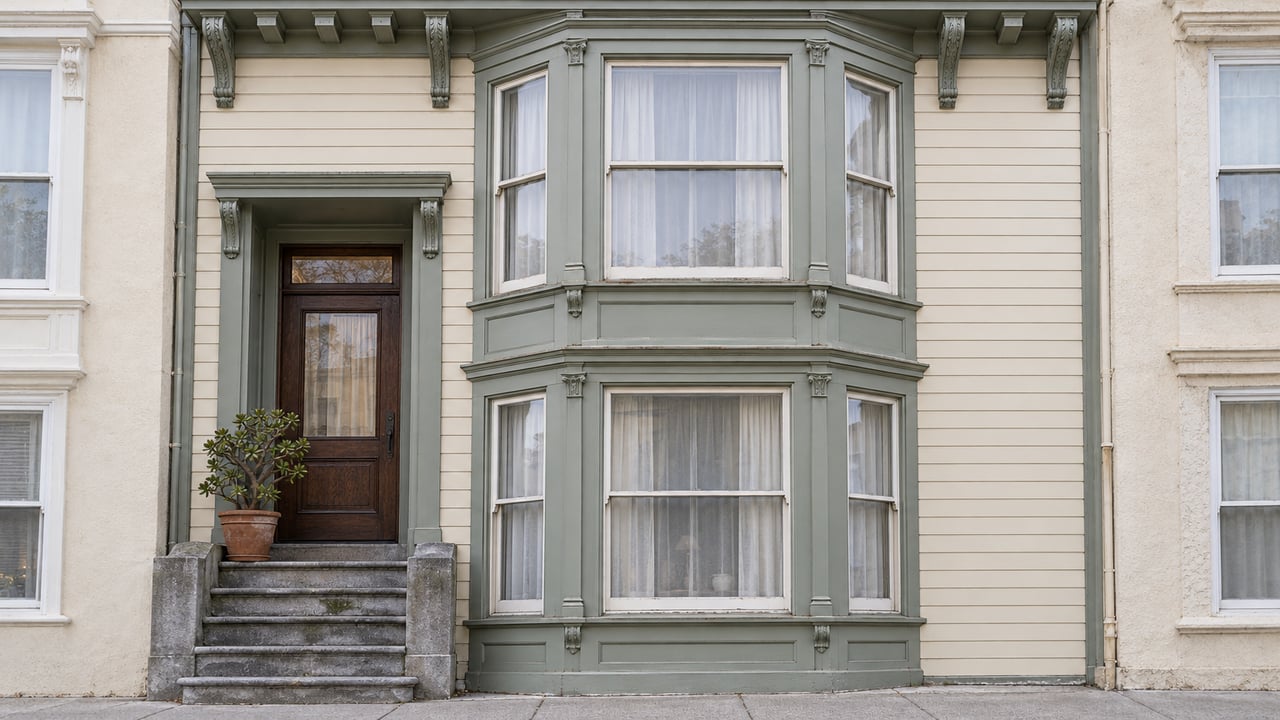
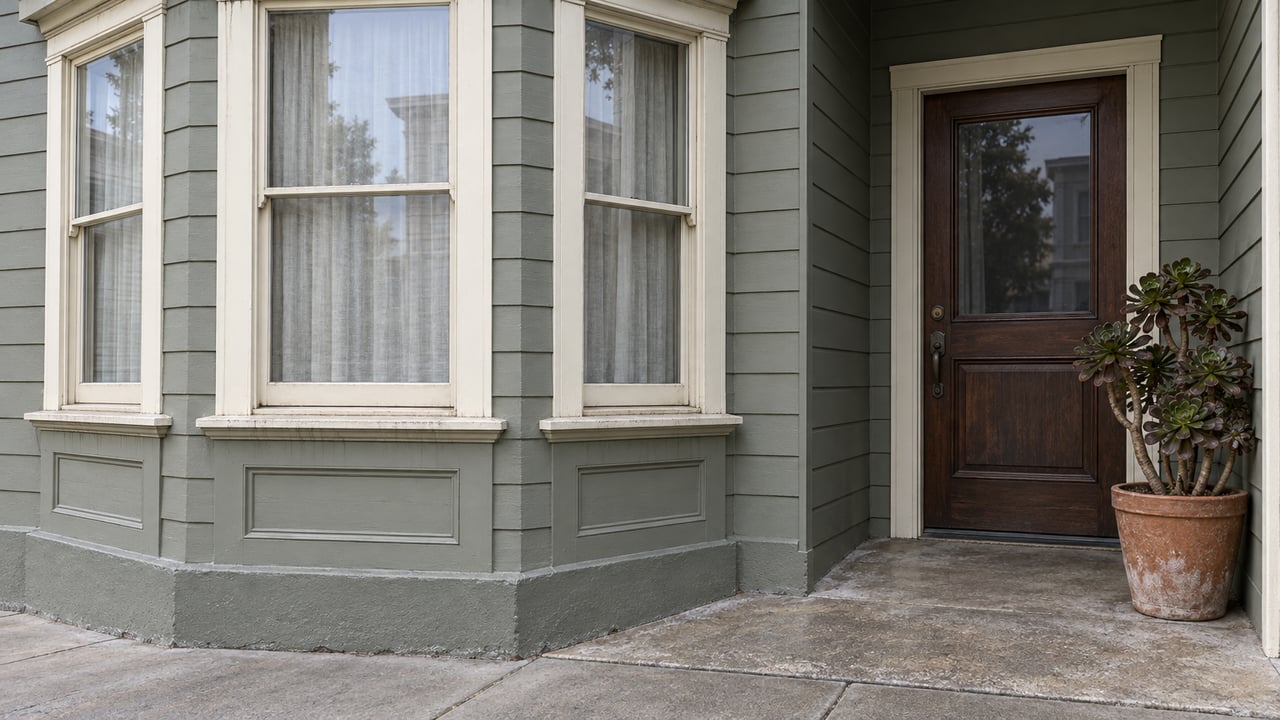
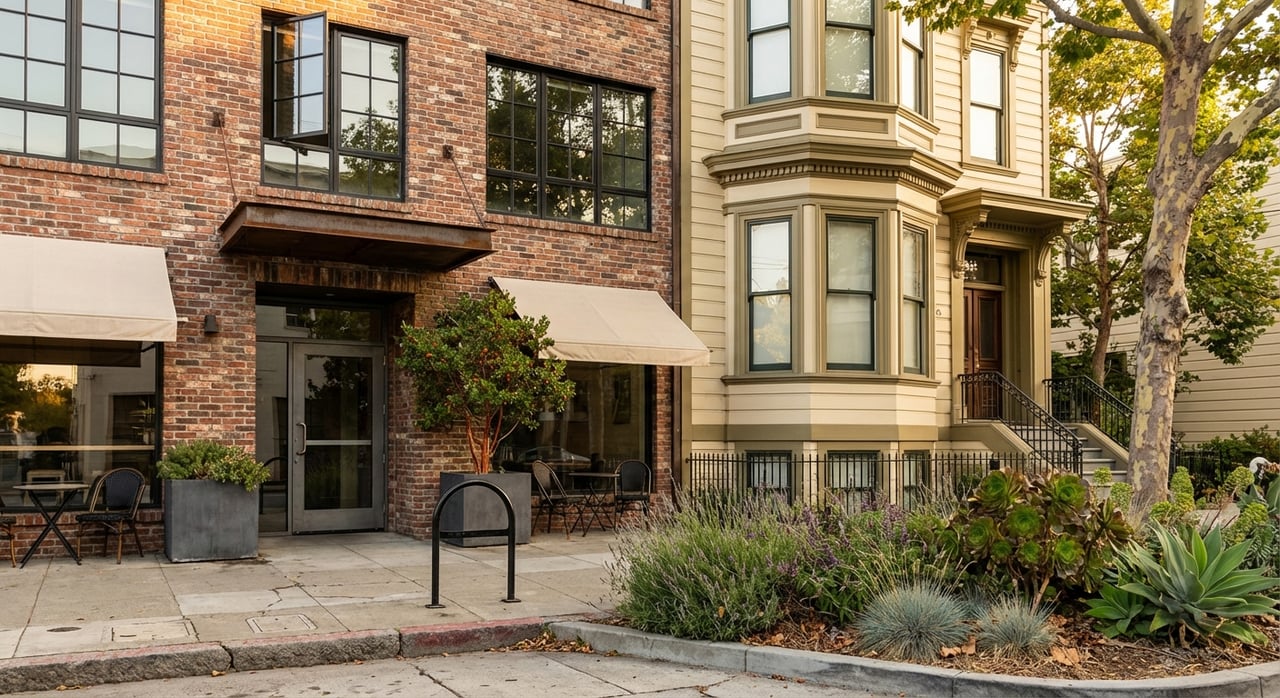
Expect rows of late-19th and early-20th century buildings with ornate woodwork, bay windows, and narrow-lot proportions. Many streets read residential and calm during the day, while corridors near Valencia and Mission bring more retail and dining.
Loft styles you’ll find
True warehouse-scale loft conversions are more common in SoMa and the northeast Mission. Around Mission Dolores, you’ll see boutique buildings and modern condos that borrow loft elements like open plans, exposed structure, and higher ceilings. The city’s live-work trend in the late 1980s and 1990s helped shape these offerings, as covered in this SFGate look at live-work history.
Condos and boutique buildings
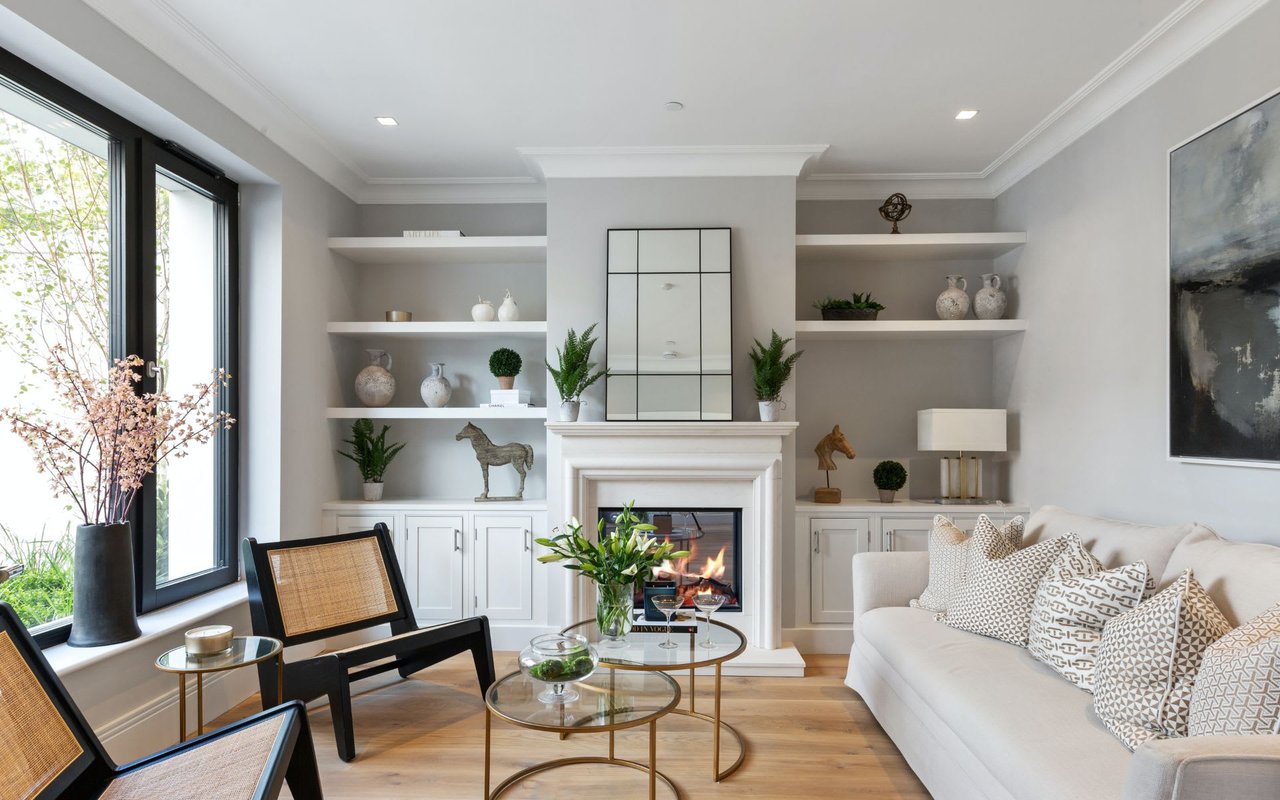
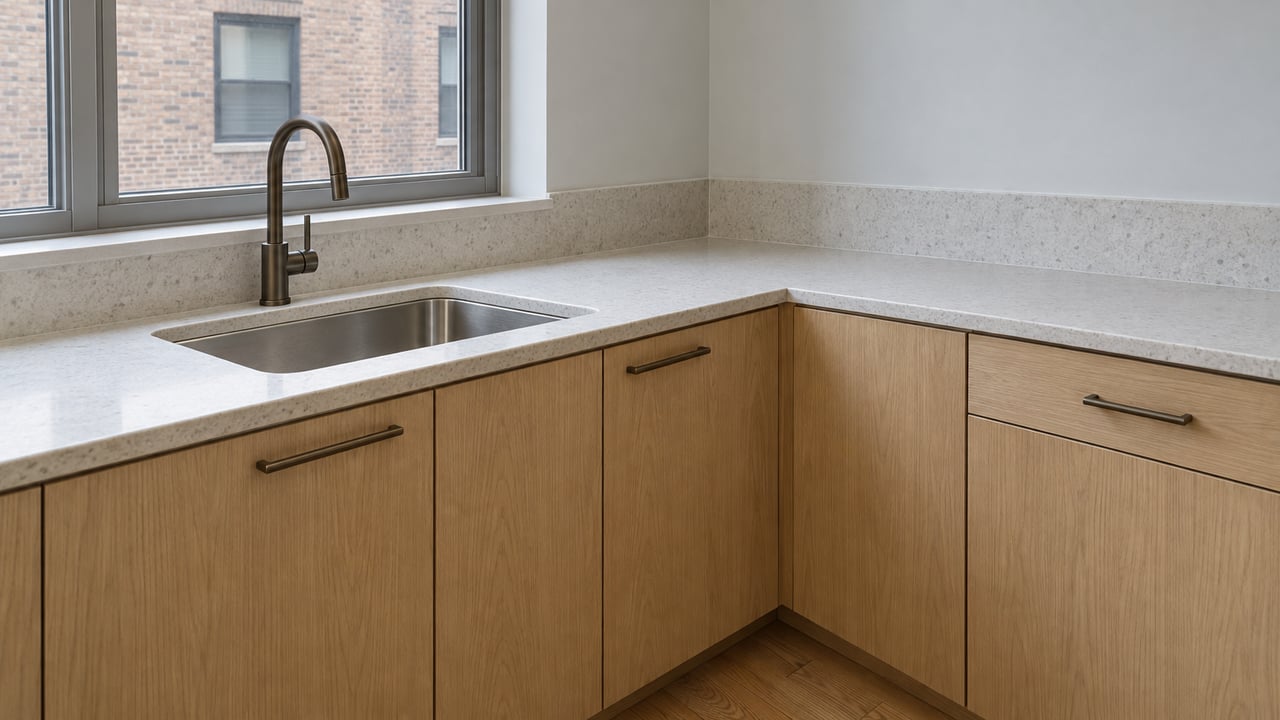
Smaller condo buildings cluster closer to Valencia and Mission streets, often with updated interiors, efficient layouts, and curated finishes. Many sit on historic blocks, so you get a blend of classic curb appeal with contemporary interiors.
TIC vs condo: how ownership affects your options
Older multi-unit buildings in central San Francisco are often held as Tenancy-in-Common shares rather than individual condo parcels. That legal structure affects financing and resale.
- Condos typically offer broader lender options with access to conventional financing paths.
- TICs may require specialized lenders and larger down payments, and they can have a smaller buyer pool.
- For TICs, request the TIC Agreement, master mortgage details, and lender names before you fall in love with a unit.
For a city overview of TICs and how they differ from condos, review San Francisco’s TIC guidance.
Seismic retrofits and building systems
Many older wood-frame buildings fall under San Francisco’s soft-story retrofit program. If you’re considering a unit in a low-rise building, confirm whether required seismic upgrades are complete, scheduled, or financed. Retrofits can involve temporary work disruptions and cost-sharing that affect owners and tenants.
- Ask for permits, engineering reports, and any special assessment history.
- Review HOA budgets, reserves, and recent meeting minutes in condos.
- Factor retrofit timelines into your move-in or renovation plans.
For program context and why it matters, see this overview of the San Francisco soft-story ordinance.
Lifestyle anchors within blocks
Park rhythms and weekend energy
Living near Dolores Park means easy picnics, pickup games, and sunset views. It also means weekend crowds when the sun is out. If you’re considering a park-facing unit, visit at different times of day to gauge noise, foot traffic, and parking.
Coffee, markets, and design-forward bites
You are steps from iconic food destinations. The original Tartine on 18th Street is a landmark for pastry and bread culture. The market and creamery on 18th Street make Bi-Rite a daily staple and social hub. Specialty coffee is part of the local routine, with Ritual on Valencia fueling morning walks.
- Grab a morning croissant at Tartine Bakery.
- Stock up at Bi-Rite Market and Creamery.
- Meet friends at Ritual Coffee on Valencia.
For local color, the literary nonprofit storefront at 826 Valencia adds charm to the corridor.
Transit, walkability, and parking tradeoffs
Mission Dolores is highly walkable. Many buyers prioritize being near cafés, markets, and transit over having a deeded parking space. The J Church Muni runs along the park’s west edge, and BART is a short walk to 16th Street or 24th Street stations for regional commutes. Check the Church and 18th Street J Church stop to visualize that connection.
- Expect limited on-site parking in some buildings. Confirm any assigned or leased spots.
- Consider car-share, bikes, or scooters for short trips.
- If you own a car, verify neighborhood permit requirements and nearby garage options.
How Mission Dolores compares nearby
- SoMa and Dogpatch: Larger warehouse lofts and new high-rise condo stock are more common there than right by Dolores Park. See the live-work history context from SFGate.
- Hayes Valley: Boutique retail and polished dining with small urban parks. A similar walkable, design-led lifestyle but less tied to one major green like Dolores Park.
- Castro and Eureka Valley: A historic LGBTQ center with an active commercial corridor and nightlife along Castro Street.
- Noe Valley: Quieter feel with more single-family homes and split Victorians.
These contrasts help clarify whether you want a park-centric scene with boutique condo offerings or a different mix of housing and nightlife.
Buyer and renter checklist
Use this quick guide when you tour lofts and condos around Mission Dolores.
- Unit type and layout. Measure ceiling height, note window size, and study the floor plan for privacy within open layouts.
- Light and orientation. Park-facing units often enjoy exceptional afternoon light and views, balanced by more weekend activity.
- Seismic and systems. Confirm soft-story retrofit status, permits, and any scheduled building work that could affect timelines or costs. Review engineering reports if available.
- Ownership and financing. For TICs, request the TIC Agreement, master mortgage details, and names of lenders who finance TICs. For condos, review CC&Rs, HOA budgets, reserve studies, and recent minutes. Learn the basics from the city’s TIC guidance.
- HOA dues and reserves. Scan for upcoming capital projects and any special assessment history.
- Parking and storage. Verify deeded or assigned spots, storage lockers, bike rooms, and any monthly garage options nearby.
- Sound and weekend exposure. Visit on a sunny Saturday and a weekday evening to gauge noise, foot traffic, and parking realities.
- Lifestyle fit. Open-plan lofts feel airy and flexible. If you need defined bedrooms or quieter evenings, lean toward well-partitioned condos on calmer blocks.
Ready to explore park-side lofts and condos?
If Mission Dolores matches your style, the next step is a curated tour that fits your budget, layout needs, and design wish list. With a focus on presentation, due diligence, and clear communication, we will help you compare TIC and condo options, read the building’s story, and position your offer with confidence. To get started, reach out to Sasha Mazur. Let’s connect.
FAQs
What defines loft living in Mission Dolores vs SoMa?
- Around Dolores Park you’ll find boutique condos with loft-like features. SoMa has more warehouse-scale live-work conversions, as noted in this SFGate overview.
Are park-facing Mission Dolores condos more expensive?
- Often yes, since views and afternoon light add value, but price varies by building and finishes, so verify with current comps and your agent’s analysis of Dolores Park proximity.
How does TIC financing differ from condo financing in San Francisco?
- TICs usually require specialized lenders and sometimes larger down payments, while condos have broader conventional options per the city’s TIC guidance.
Will a soft-story retrofit affect my move-in or costs?
- It can, depending on permit status and financing, so ask for engineering reports, permits, and timelines as outlined in the soft-story ordinance overview.