Imagine stepping out your door to a lively main street lined with cafés, brunch spots, and local boutiques, then reaching the Bay in minutes. If you’re drawn to water views, active weekends, and easy errands, living near Chestnut Street in the Marina could fit your rhythm. You want a realistic picture of daily life, from parking and transit to noise, safety, and building considerations. This guide gives you clear, practical insight so you can decide if this is your next home. Let’s dive in.
Chestnut Street at a glance
Chestnut Street is the Marina’s walkable commercial spine, with a steady flow of neighbors grabbing coffee, meeting friends, and tackling errands. The corridor sits a short stroll from the waterfront and connects you to the neighborhood’s standout open spaces. Expect a vibrant but relaxed pace, with more sidewalk energy on sunny days and weekend mornings.
You’re also close to some of San Francisco’s most photographed landmarks and parks. Marina Green and Crissy Field offer bayfront paths and views, while the Palace of Fine Arts, Fort Mason, and the Presidio bring culture, trails, and green space into everyday life. For a dense city neighborhood, that much outdoor access is a major quality-of-life boost.
Outdoors and fitness access
If you value daily movement, the Marina delivers. You can run or bike along the bayfront at Marina Green, walk to Crissy Field, or connect into Presidio trail networks for longer routes. Many residents combine outdoor workouts with studio classes for a balanced routine.
Boutique fitness studios are clustered around the commercial strips, so it’s easy to mix yoga, Pilates, spin, or strength sessions into your week. On windy or foggy days, indoor options keep your fitness goals on track without missing a beat.
Daily convenience and errands
Chestnut Street supports an easy, car-light routine. You have multiple coffee shops, brunch spots, pharmacies, salons, dry cleaners, and specialty food stores in a compact, walkable footprint. Sidewalk seating pops on warm afternoons, and weekend brunch often draws a lively crowd.
For big grocery runs or larger-format retail, you may make a short trip to nearby neighborhoods. Many people do a mix of frequent small pickups and less frequent stock-up runs.
Quick-reference errands near Chestnut Street:
- Coffee and breakfast to-go
- Dry cleaning and tailoring
- Pharmacy and basic health services
- Salons, fitness studios, and boutique retail
Dining and nightlife rhythm
Dining leans casual to mid-range, with a friendly neighborhood vibe. You’ll find plenty of quick counter service, sit-down dinner options, and comfortable wine bars. On pleasant days, sidewalk tables fill up early.
Evenings are social but not club-heavy. Think happy hour meetups, early dinners, and a lively bar scene that tapers off compared with late-night districts elsewhere in the city.
Getting around and commuting
Public transit here is bus-based rather than rail. You can reach downtown or the Embarcadero by surface bus, ride-hail, or a bike-to-transit combo, depending on your schedule. Many residents plan their commute around real-time schedules, or choose biking for both speed and scenery.
Biking is a standout option. The waterfront routes are popular, and access to the Golden Gate Bridge is straightforward for recreational rides. Good bike storage at home is a plus if cycling becomes your main mode.
Driving works, but plan for peak-hour traffic on the main arteries. Street parking is available yet competitive in the evenings and on weekends. Some buildings include garage spots or assigned spaces, and many residents use residential parking permits. If parking matters to you, verify options for a specific building and block.
Housing types and buildings
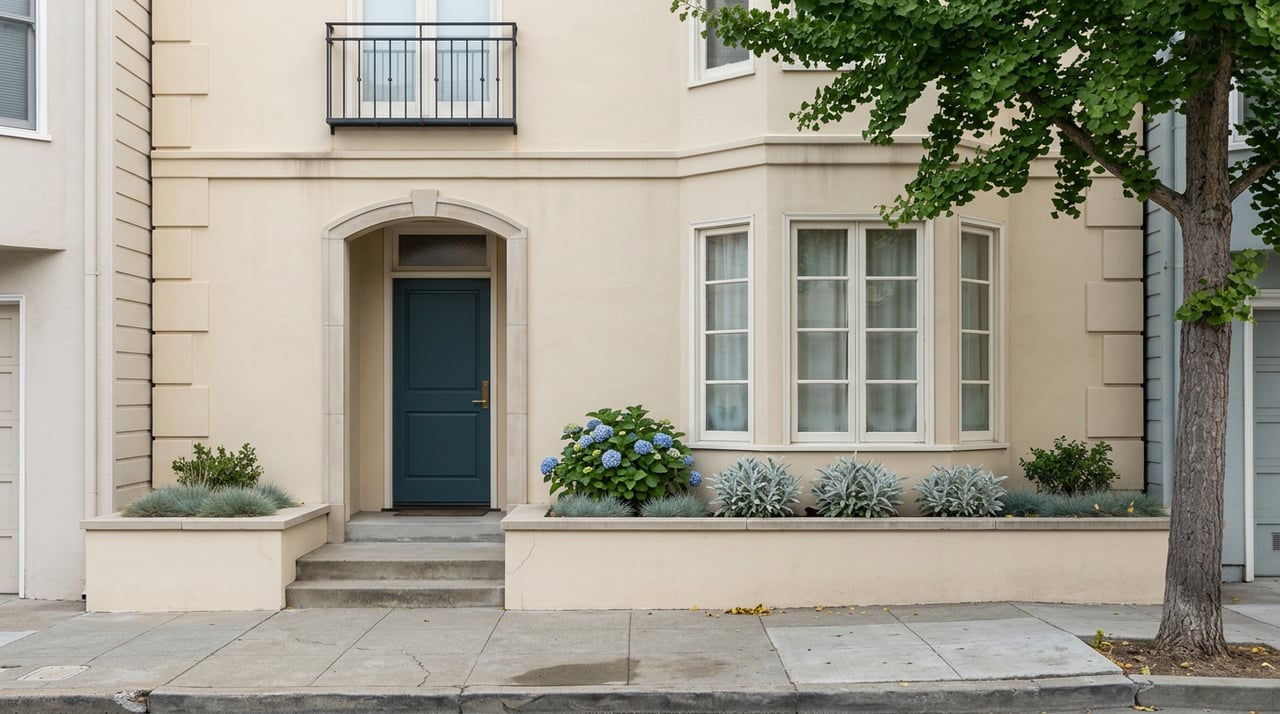
The Marina’s housing stock leans toward early to mid-20th-century low-rise buildings, often with stucco façades and classic architectural details. You’ll see condos, small apartment buildings, and rowhouses, with a mix of one- and two-bedroom layouts plus some larger townhomes and occasional single-family homes.
A key detail for buyers and renters is the neighborhood’s underlying land. Much of the Marina sits on filled ground, which has implications for seismic behavior and insurance. You should review foundation types, soft-story retrofit history where applicable, and disclosures for any recent or upcoming building work.
If you’re considering a condo, also look at HOA reserves and any assessments for mandatory upgrades. Many buildings are well maintained and visually cohesive, but the specifics matter. A thoughtful inspection and documentation review can make all the difference.
Safety, noise, and crowds
Residents often perceive the Marina as relatively safe compared with many urban districts, but it still experiences property crime, especially theft and auto break-ins in high-traffic or tourist areas. Common sense habits help, like avoiding leaving items in cars and using well-lit routes at night. For a current picture, review recent neighborhood crime data before you decide.
Chestnut Street itself is energetic and can be noisy at times. Weekend afternoons and evenings are the busiest, and sunny days bring more people to the waterfront. If quiet is a top priority, you may prefer a unit set back from the corridor or with good sound insulation.
Families and schools
Families use the Marina’s parks and waterfront heavily for outdoor time. Play spaces, green lawns, and easy stroller routes make everyday outings simple. That said, the neighborhood’s housing sizes can be a constraint for some households.
Public school assignments follow San Francisco Unified School District policies, and there are private preschools and extracurricular options nearby. Because school details change, confirm current enrollment information directly with the district and any programs you’re considering.
Practical checklist for buyers and renters
Use this shortlist to evaluate a specific building and location near Chestnut Street:
- Seismic and structure: Confirm foundation type, soft-story retrofit status if applicable, and any seismic upgrades or permits on record.
- Insurance: Ask about earthquake insurance options and typical coverage for your building type.
- Parking and storage: Verify on-site parking, assigned spaces, EV charging, and bike storage; check street parking patterns at night and on weekends.
- Sound and exposure: Visit at multiple times of day to gauge street noise, natural light, and wind patterns from the bay.
- HOA and assessments: Review HOA reserves, planned capital projects, and any recent or upcoming assessments.
- Accessibility: Note stairs versus elevator access, especially in older buildings; consider mobility needs.
- Commute options: Test your route to work by bus, bike, and car; check peak-hour travel times.
- Daily routine: Map your walk to coffee, pharmacy, and fitness; confirm hours align with your schedule.
What it feels like week to week
Weekday mornings often start with a quick walk for coffee, then a jog along the water or a bike ride before work. Lunchtime brings a steady flow of neighbors running errands or grabbing a bite. By late afternoon, you see families and dog walkers heading toward Marina Green and Crissy Field for fresh air.
On weekends, Chestnut Street buzzes with brunch and browsing, while the waterfront becomes a social lawn for picnics, kite-flying, and casual sports. Evenings are friendly and active without feeling overwhelming. If you enjoy being out and about, you’ll likely settle into the rhythm quickly.
Work with a local advisor
Choosing the right building and block near Chestnut Street is about nuance. You want a home that fits your routine, balances noise and access, and checks the right structural and HOA boxes. As a locally rooted, design-savvy advisor, I help you evaluate construction, retrofits, and presentation so your purchase or rental feels both smart and stylish. When you’re ready to explore Marina homes, connect with Sasha Mazur for a tailored, on-the-ground tour.
FAQs
Is Chestnut Street walkable for daily errands?
- Yes. You can handle coffee, pharmacy, salons, fitness, and small-shop essentials on foot, with larger grocery trips in nearby areas as needed.
How is public transit to downtown from the Marina?
- Transit is bus-based rather than rail, so many residents mix surface buses with biking, ride-hail, or driving depending on schedule and destination.
What outdoor parks are near Chestnut Street?
- You are close to Marina Green and Crissy Field along the bay, plus the Palace of Fine Arts, Fort Mason, and Presidio trails for longer walks and rides.
Is the Marina safe at night around Chestnut Street?
- It is often perceived as relatively safe, but property crime occurs, especially theft and auto break-ins, so use common sense and review current crime data.
What should buyers know about buildings in the Marina?
- Much of the area is on filled land, so confirm foundation type, soft-story retrofit status, and consider earthquake insurance and thorough inspections.
How competitive is parking near Chestnut Street?
- Street parking exists but can be competitive, especially evenings and weekends; some buildings offer garage or assigned spaces, and residential permits help.
Are there family-friendly options near the Chestnut corridor?
- Families enjoy strong outdoor access and nearby programs, though many homes are smaller; confirm school assignments and space needs before you decide.