When East Bay resident Dana Gersten found out she was pregnant with her first child, she knew she didn’t want to raise the child alone. She wasn’t single — she has a loving, devoted partner — but she envisioned her baby growing up surrounded by a supportive community, ideally in a communal housing environment where people share resources and help one another day to day.
Co-living situations weren’t new to Gersten. She’d opted for them during college and would go on to reside in different versions of them during and after medical school. She loved the spirit of these places, sharing responsibilities like cooking and home maintenance and always having someone around for a chat. But this time, as she searched for the right community, she couldn’t find a fit. Unable to see a path to homeownership in the Bay Area without co-living, she decided to create her own version — with her friends.
Gersten is part of a new generation of Californians opting to purchase real estate with more people than the typical family unit, as soaring home prices shut out many potential buyers. For some, it’s the only way they can afford property, and for others, their budget wouldn’t get them the home they desire. Backed by changes to mortgage lending and new California regulations, the interest in creating a compound-like living situation is growing.
From friend to co-owner
Once Gersten and her partner made the decision to buy property with friends, she didn’t expect the process to take as long as it did. They looked with three separate groups, and “none of it panned out,” she said. One ended up being worried they’d ruin their friendship over it, while the others couldn’t align on a property after dozens of showings. But on their fourth friend attempt, they found a match, and they now live together in a duplex in Berkeley that’s owned as two separate condos. Eventually, the group wants to build at least one accessory dwelling unit, or ADU, on the property, to add more people to their community.

S.F. Chronicle/Getty Images
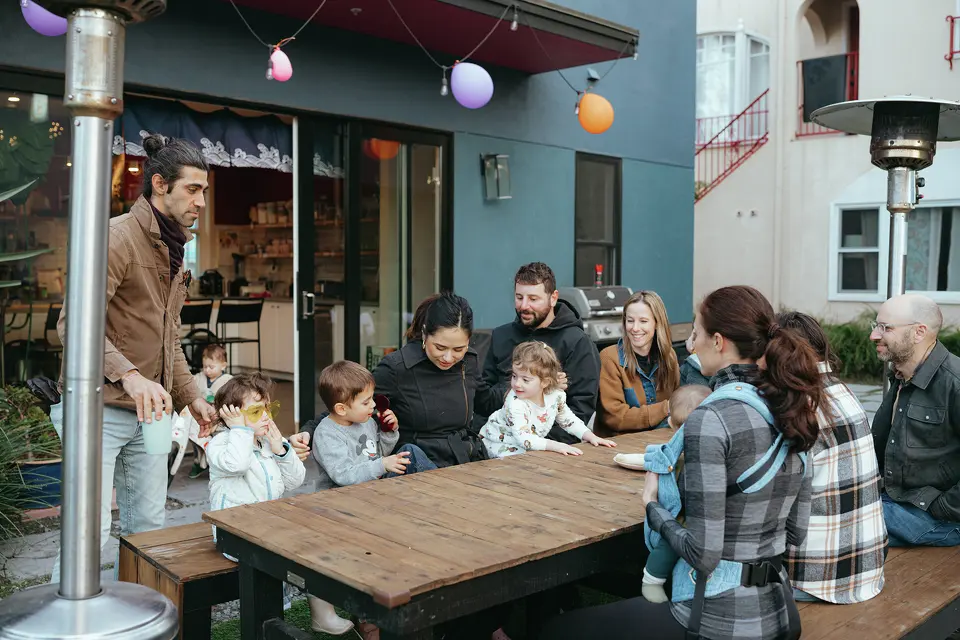
bree.sees.u
It wasn’t easy, but Gersten said it was worth it. Their friend in the other unit is “like an uncle” to their now two kids. And their situation solves the biggest problems people who live in major cities face: the high cost of housing and the loneliness of living far from family and friends.
“Most parts of the world people live a lot more communally and closer to their family, and there’s a lot more integration,” she said.
Now that Gersten is building her own community, she’s fielded a lot more questions from people about her living situation. “I feel like even my very non-hippie friends are really intrigued about this idea,” Gersten said with a laugh.
Interest does seem to be growing. A 2022 Zillow survey found that 18% of homebuyers surveyed had purchased with a friend, and 19% of prospective buyers planned to buy with a friend or relative in the next year. A Remax/Pollfish survey released in January 2024 found that 27.7% of prospective buyers would consider purchasing with a friend or family member.
Making communal ownership work
Friends and family who purchase property together often enter into a tenancy-in-common agreement, a legally binding document that includes rules and financial responsibilities. New data from Redwood Credit Union, a Bay Area financial institution that offers TIC financing, saw TIC lending grow 79% between July 2024 and June 2026. Debbie Ingle, a senior vice president of mortgage lending at the credit union, said interest has “moved at warp speed,” especially as awareness has grown.
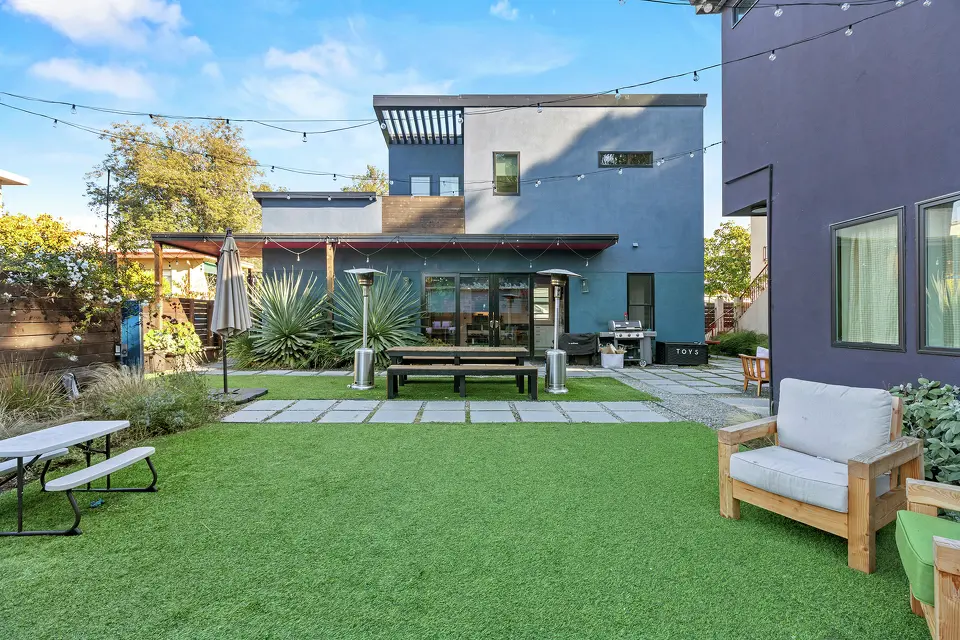
Elite Studios llc
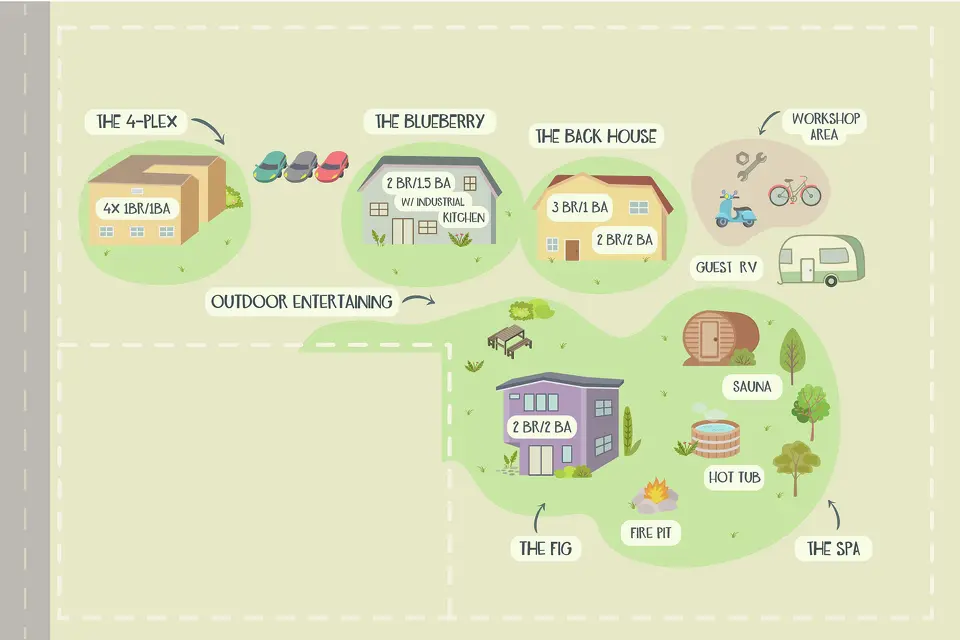
Courtesy of Radish Oakland
As home prices have skyrocketed in recent years, Ingle said most of the clients who went to them for TIC lending “didn’t see a path to homeownership” otherwise. “I think they see nothing but the value of properties continuing to go up and the housing problem getting more and more intense in San Francisco and this being a really good solution for that,” Ingle said.
She said she doesn’t see interest in TIC agreements slowing anytime soon, either. Jessica Johnson, a real estate agent specializing in TICs, said decades ago they were more prohibitive — mortgage rates weren’t comparable to individual ownership, so you couldn’t get a 30-year fixed rate. But in the past few years, this type of fractional lending, which allows partners to have individual mortgages within a building, has become more mainstream.
“It’s definitely gaining momentum,” Johnson said.
Meanwhile, home price growth in San Francisco shows no signs of slowing, giving potential buyers more motivation to find less traditional ways to get into the market. It’s “definitely an easier way to get in, for sure,” she continued.
There’s also potential upside. “You just get a little bit more for your money,” she said, explaining that in addition to including slightly more per square foot on average, TICs typically have much lower homeowner association dues, usually between 8% and 12% less, she estimates.
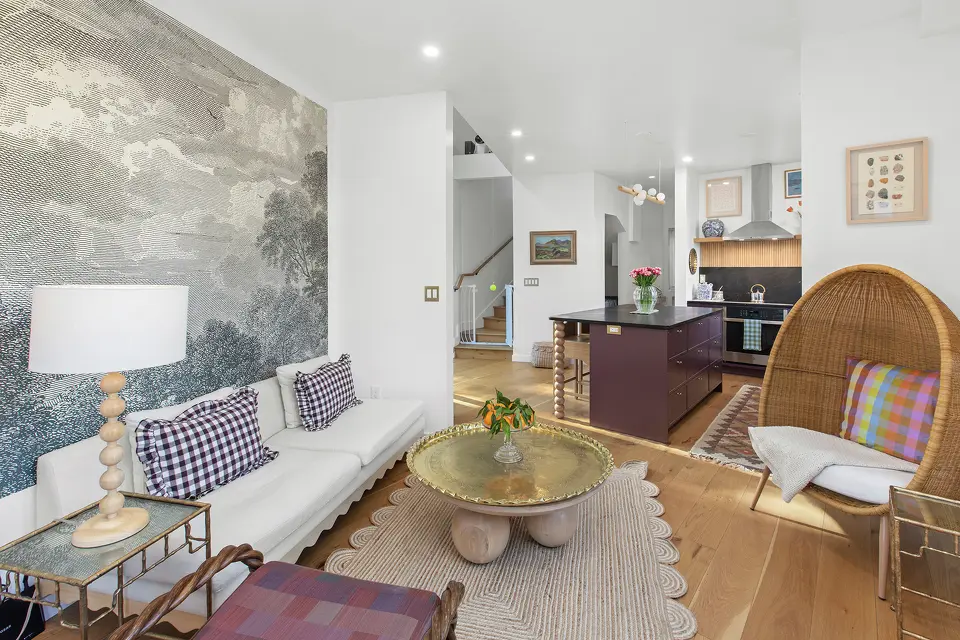
Elite Studios llc/Steph Dewey
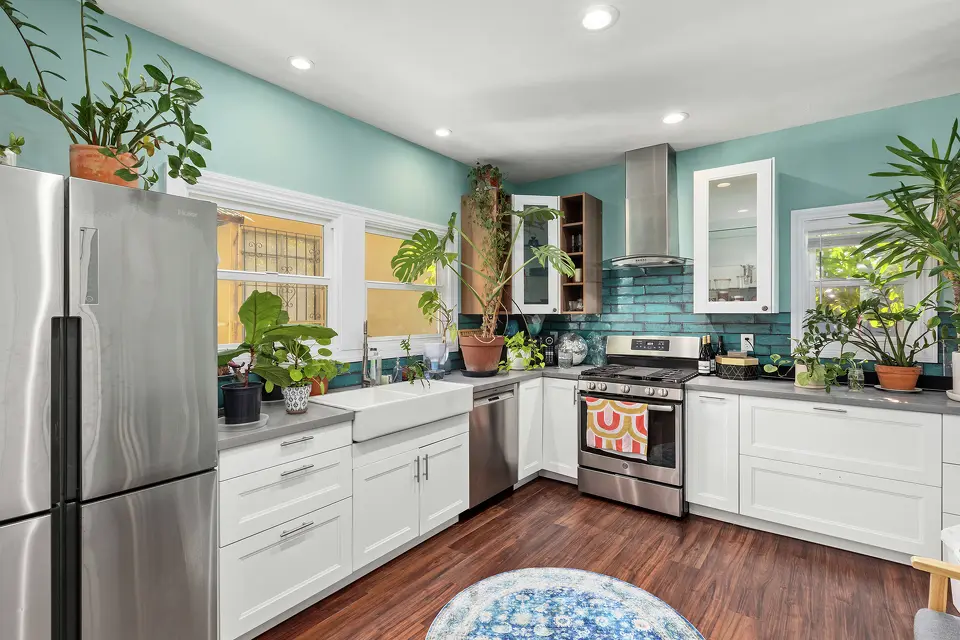
Elite Studios llc/Steph Dewey
‘People are lonely’
After co-living with friends for eight years in Oakland, Phil Levin decided to make it his full-time job to help others do the same. “You’re happiest and healthiest surrounded by people that you love and admire,” Levin told SFGATE.
A real estate entrepreneur, Levin found that California not only lacks affordable housing but also lacks a variety of housing options. For people who want to live in a community but also retain separate spaces, “there’s nothing on the market that serves that need right now,” Levin said.
He founded Live Near Friends, a platform that helps people buy and convert existing real estate into friend and family compounds, or build existing ones from scratch. Levin said legislative changes over the past few years have made it possible for their company to succeed. Laws like Senate Bill 9, which passed in 2021 in California and allows homeowners to split up a property and build additional units on those parcels, have made creating these compounds easier.
Even so, Levin said he’s constantly battling misconceptions about this type of living. It’s not a commune — or a fraternity house. They don’t have goats, and they’re not living off the grid. They’re not sharing bathrooms. Your finances aren’t tied up with your friends’ finances. And you’re not bound to living there forever. Instead, these compounds foster support and community — and help people buy property in an attainable way.
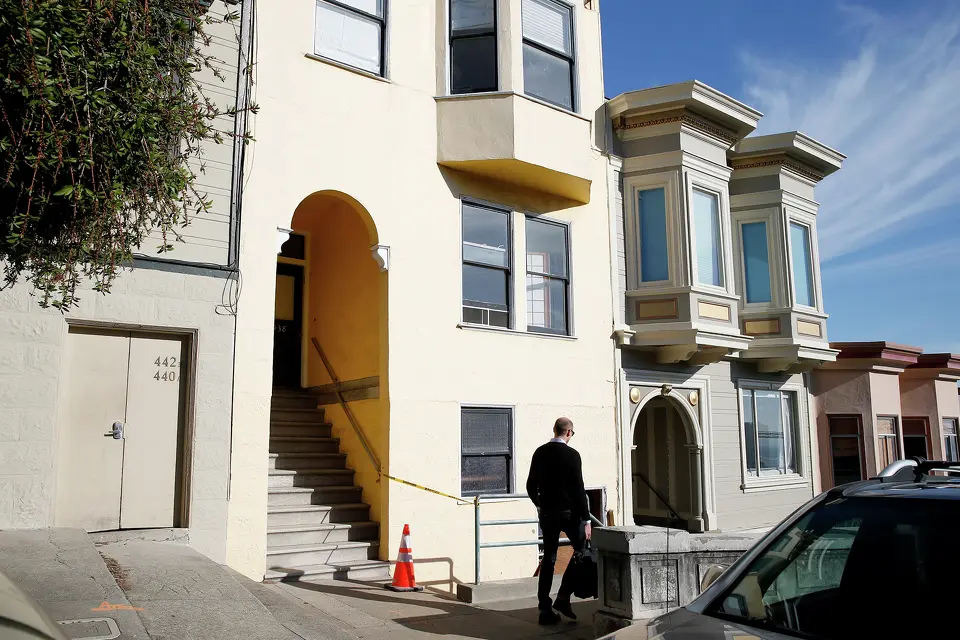
S.F Chronicle/Getty Images
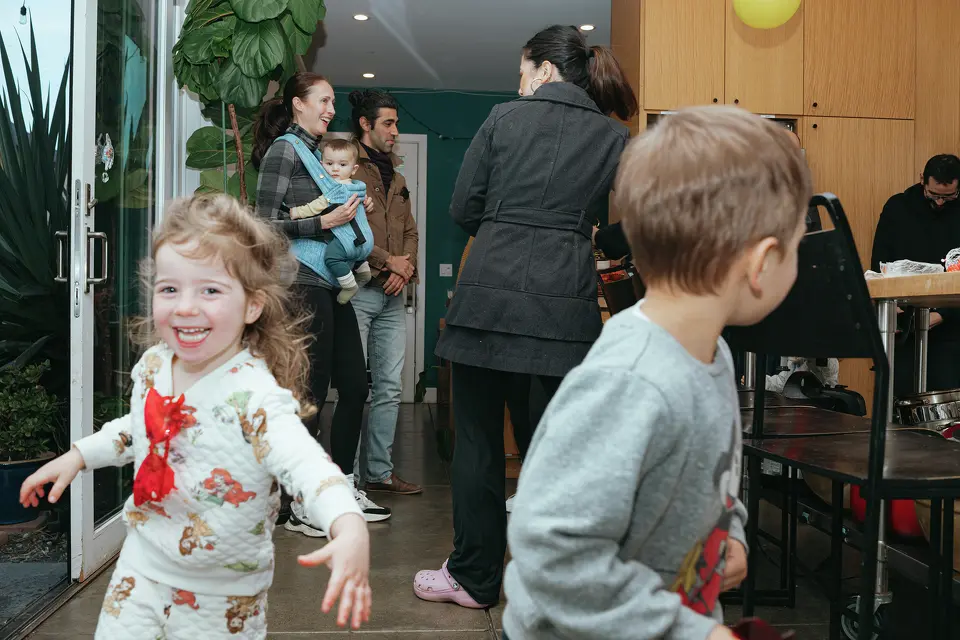
bree.sees.u
Co-living is also a more efficient use of land and money, typically. For example, “people are willing to have smaller homes if they are sharing amenities with their friends nearby,” Levin said.
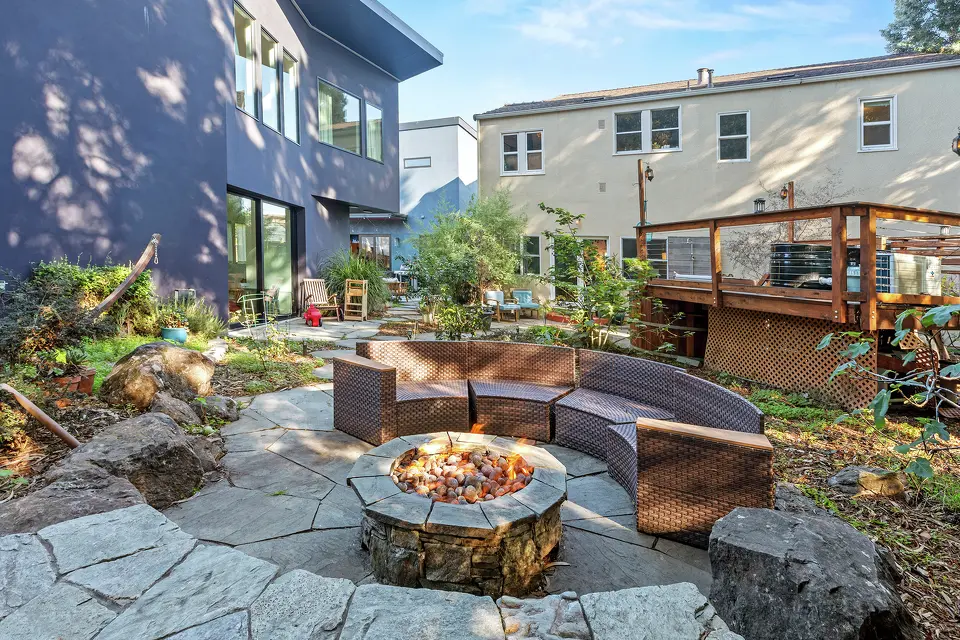
He used the example of a guest room. A lot of people want one, but they typically aren’t used that many days of the year. At Radish, a co-living compound in Oakland, they share a guest recreational vehicle for this purpose. Outdoor space is also communal. “We share a really nice yard between all of us that’s much nicer than any yard any of us would have on our own,” he said, saying it’s a huge cost savings over all of them trying to maintain even small private yards.
There’s a growing lack of social support in the United States, and our loneliness epidemic is well documented, Levin said, insisting that co-living is not just a real estate solution. His company has seen interest all over California so far, Levin said. Though it advertises its services primarily in San Francisco, Los Angeles and Seattle right now, eventually, the plan is to take the business national, launching in cities like Austin, Texas, and Washington, D.C.
Communal compounds are not just about young people having trouble entering into the housing market, either. Levin said he’s seen interest from empty nesters and baby boomers, too. Empty nesters miss the energy that once filled their spaces, and boomers, well, have too much space to begin with, but it doesn’t make financial sense for them to sell.
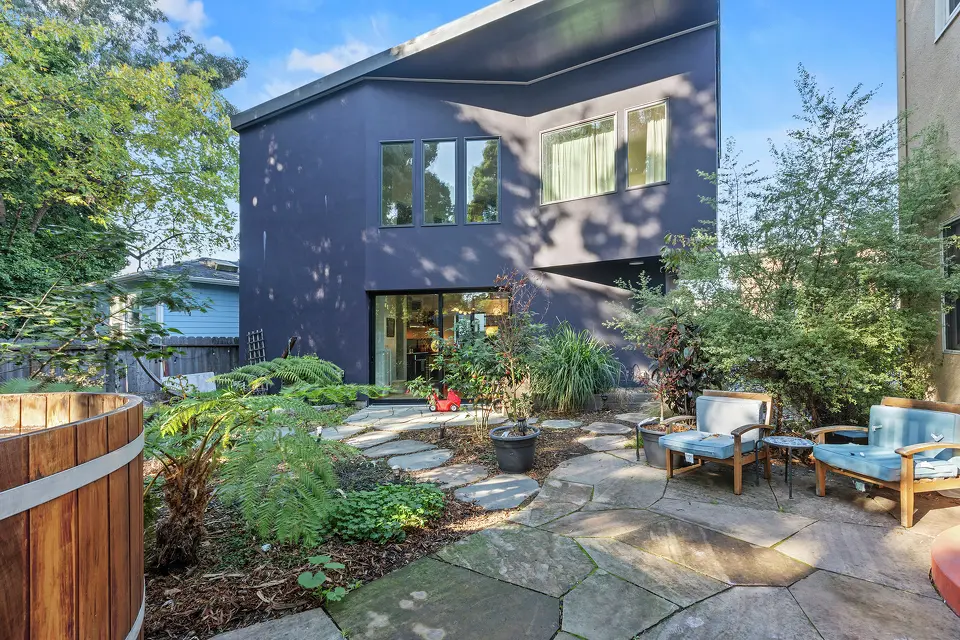
Elite Studios llc
Elite Studios llc
Isa Canlas, an SF agent, said she’s had much more interest in intergenerational living from clients in recent years. She’s had a mother buy a duplex to live in with her daughter and son-in-law and their new baby. Another buyer bought a duplex with her sister. And she’s helping brothers find a multiunit building they hope to fill with family or friends. “It’s gotten more popular as the demand for housing has increased,” Canlas said.
Andrea Chopp, a Redfin agent working primarily in Oakland and Berkeley, has helped one client buy a property for co-living, but she said plenty of people ask her about it. While she thinks buying a compound is likely too complicated for most people, a similar trend is also picking up steam, she said.
She’s seen an increasing number of clients looking to buy homes in very specific areas to be closer to friends and family. They’re prioritizing that over, for example, proximity to their workplace, traditionally a big factor in the homebuying process. “Before a few years ago, that was never a priority,” she said.
bree.sees.u
For the clients she helped buy a duplex in Berkeley, it was the only way the two families could purchase a property they really wanted to live in. She said it helped immensely that one of the people involved was an attorney, since the legalities of these situations can be a huge barrier to entry.
“The other ones have fallen apart because it’s a business relationship,” she said.
If potential buyers don’t want to go through a purchase with friends, recent California laws that expedite building additional spaces, like an ADU, can support the same community goal and also bring in extra income.
“I think people are lonely and they want community,” Chopp said.